

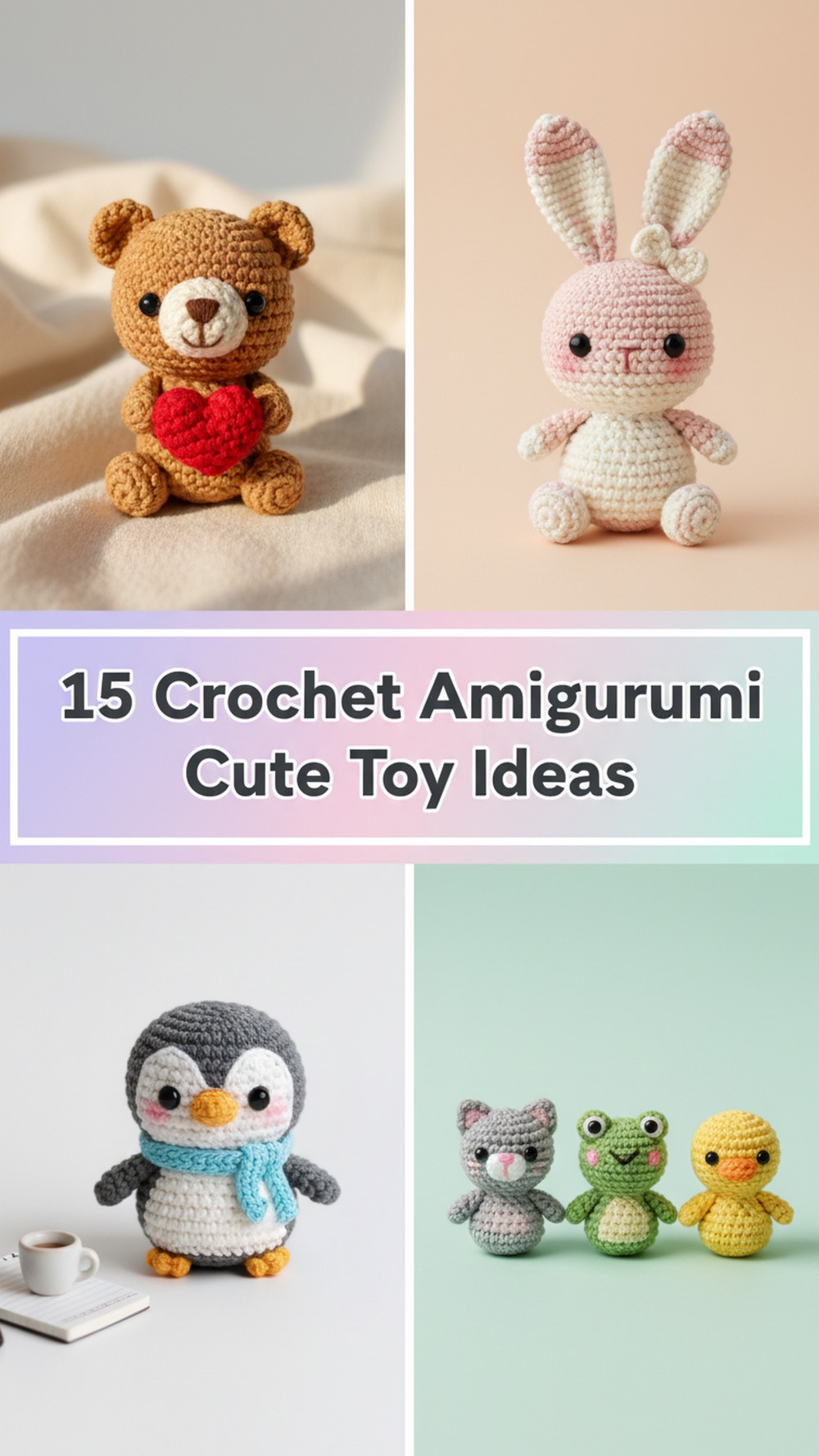
If you’re getting into amigurumi, these 15 toy ideas keep things small, squishy, and very doable. You’ll practice magic rings, increases, and decreases on round shapes like whales, dinosaurs, and donuts, plus a few flat-style friends that are mostly worked in rows. Most of these use medium or chunky yarn so you see progress fast, and the shapes stay soft but sturdy. Swap colors and tiny details like cheeks, bows, or stripes to turn one pattern into a whole family of toys. Pick one little creature and dive in tonight.
Cozy Nyangumi Whale Plush
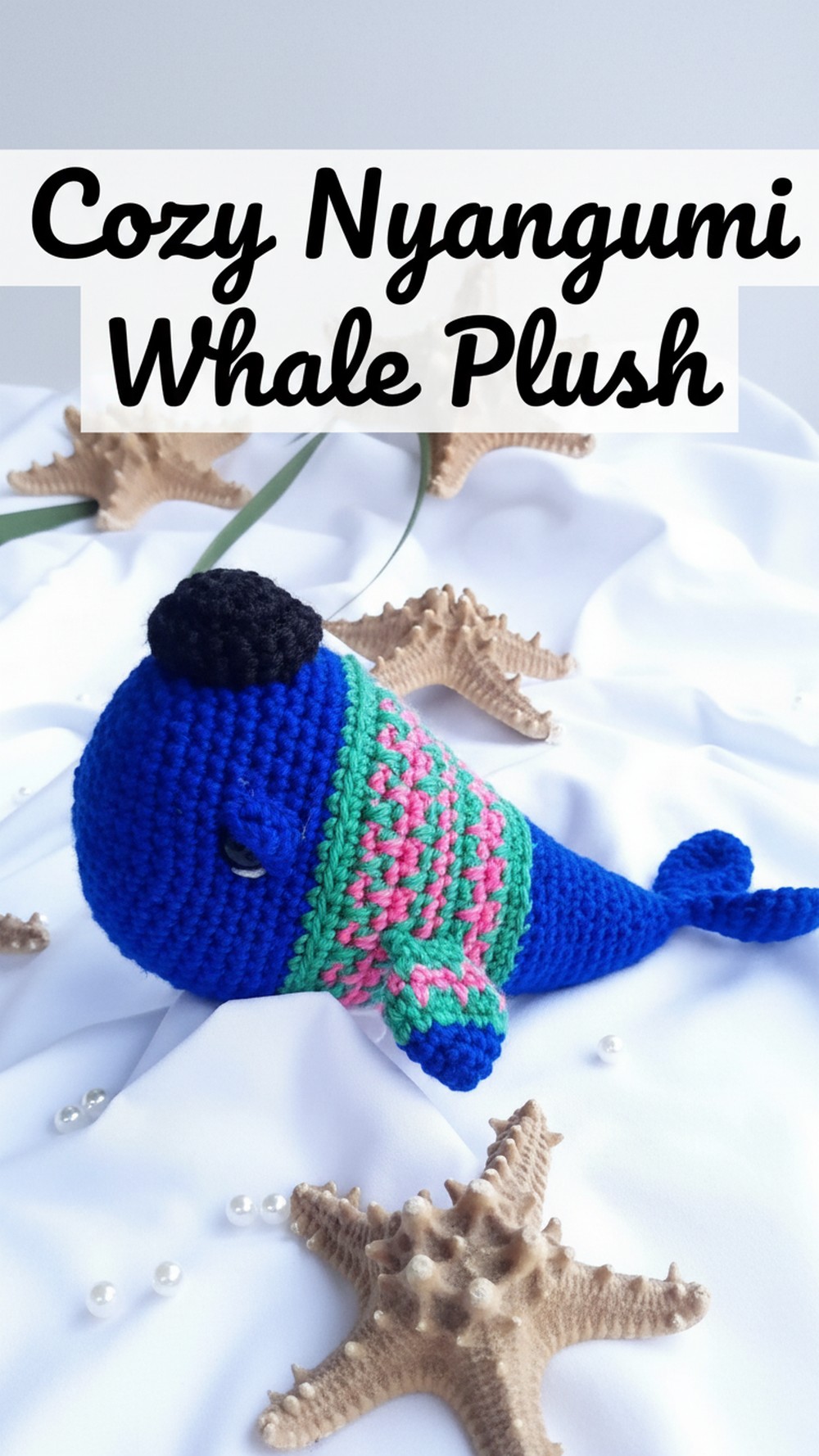
This adorable whale, Nyangumi, has a royal blue body, striped pink-and-leaf-green sweater, and a tiny black beanie, so it already looks dressed for adventures. The shaping is mostly single crochet in the round, which is perfect for practicing neat increases and decreases while keeping things beginner-friendly. Use firm stuffing so the tail and fins hold their shape. When you’re ready, follow Morine’s step-by-step Nyangumi whale pattern to get the same colors and cute sweater details, then customize facial expressions. Morine’s Shop
Supplies:
- Yarn (DK acrylic, #3): Royal blue, hot pink, leaf green, small amount of black
- Hook: 4.0 mm
- Notions: 16 mm safety eyes, stuffing, stitch marker, yarn needle, scissors
Why it’s great: Round, simple shaping plus colorwork stripes make this a satisfying “level-up” toy without being overwhelming.
Lucy the Mini Bunny Keychain
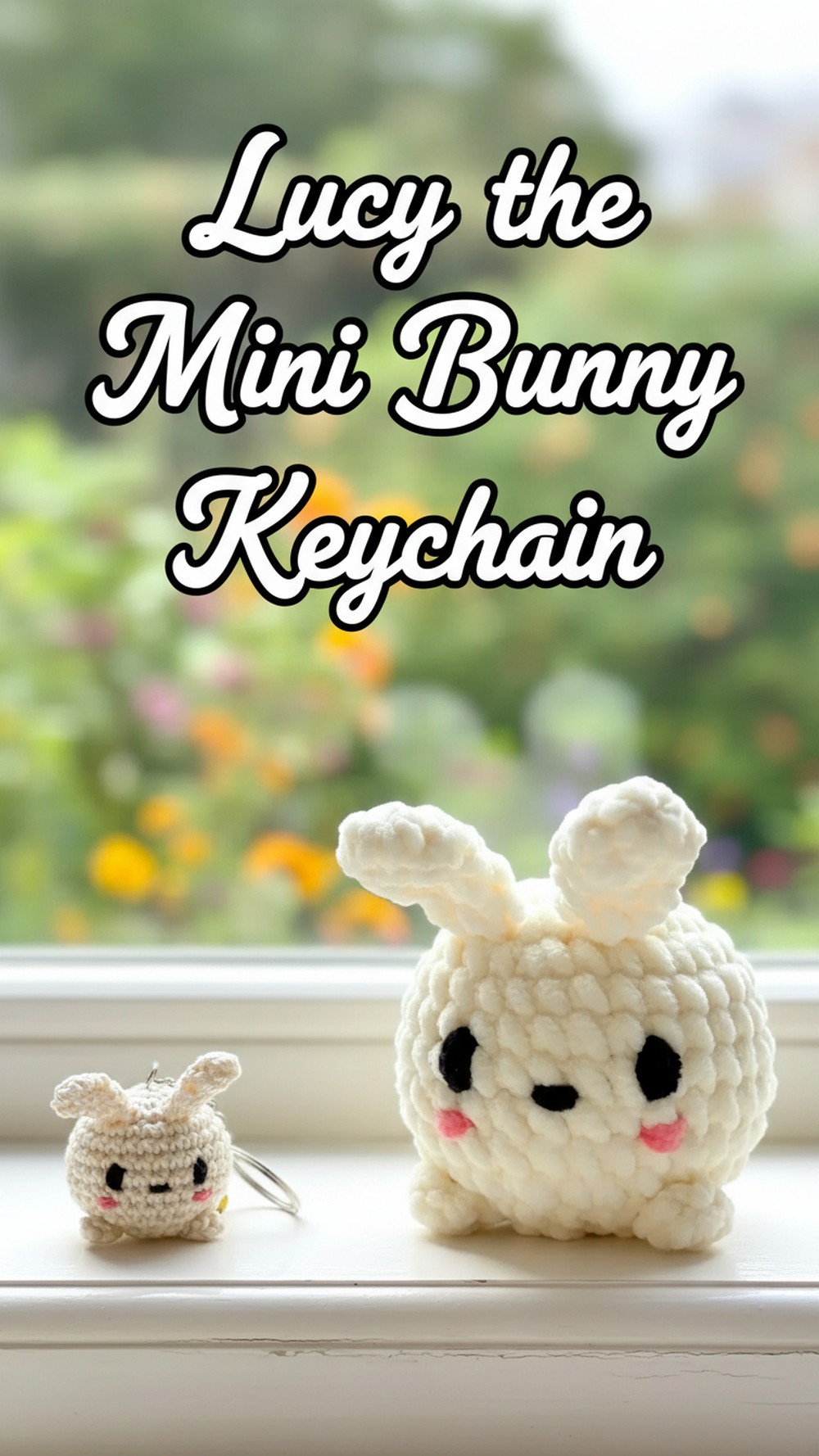
Lucy the Bunny is a tiny mochi-style rabbit you can finish in under an hour, with no sewing needed if you follow the join-as-you-go instructions. The sport-weight white body, black embroidered face, and rosy pink cheeks make her look like a squishy marshmallow bunny, perfect as a backpack charm or keychain. Work the ears, tail, and feet straight into the body to avoid loose parts. Then attach findings through the top. Follow the Lucy the Bunny mini pattern on DIY Fluffies to match the original look. DIY Fluffies
Supplies:
- Yarn (Sport cotton, #2): White, pink, black
- Hook: 2.5–3.5 mm, depending on yarn size
- Notions: Stuffing, tapestry needle, pins, keychain hardware (optional), scissors
Why it’s great: A fast, no-sew friendly bunny that’s ideal for using tiny scraps and practicing tidy embroidery.
Classic Teddy Bear with Jacket
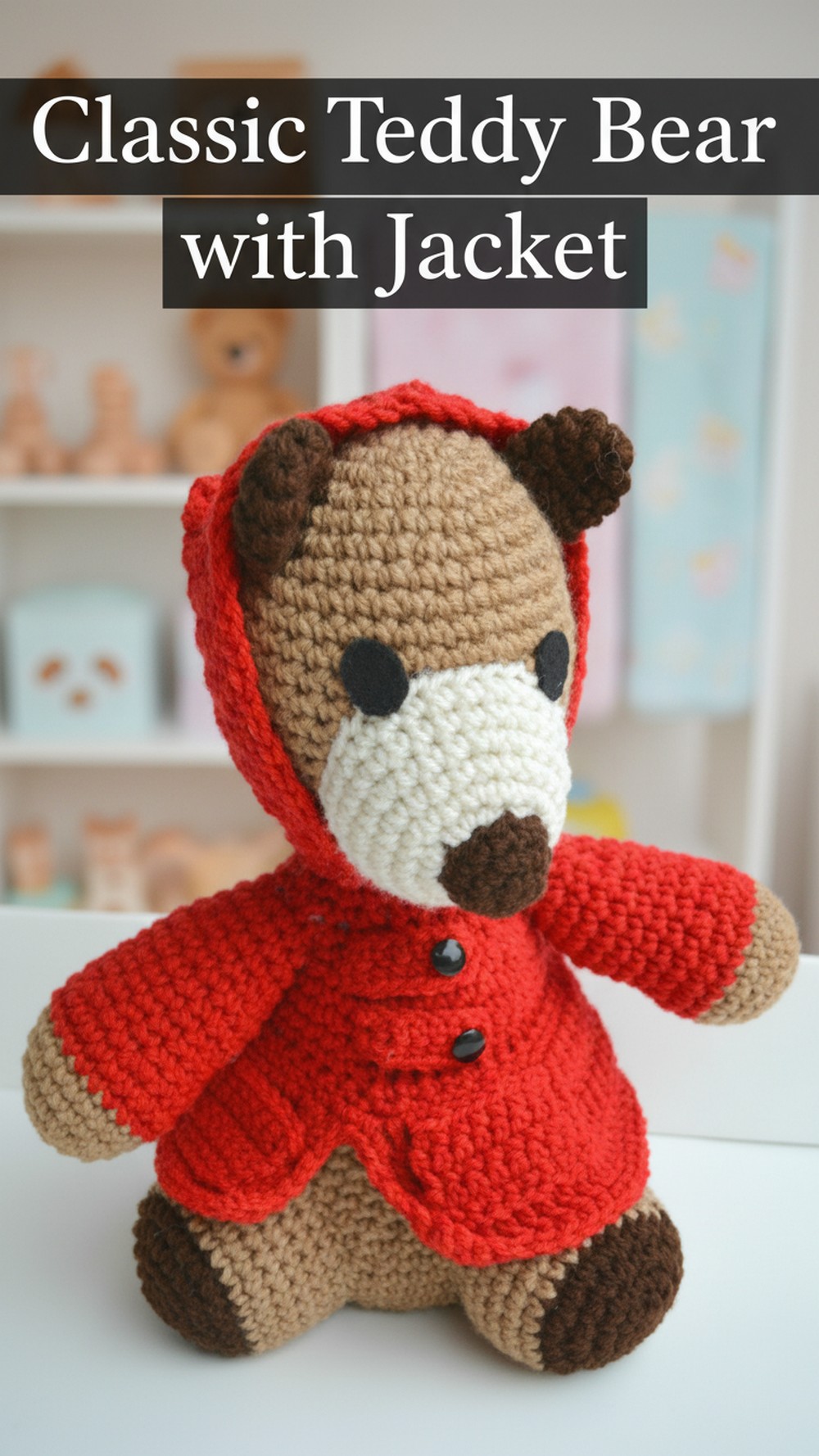
This classic teddy bear has a warm brown body and an adorable red jacket, giving serious storybook vibes. You’ll practice shaping a head, snout, and limbs, then sew them together for a traditional plush feel. Use worsted acrylic yarn so the bear is sturdy yet cuddly, and stuff the muzzle firmly to keep that rounded nose. The AmiAmour teddy bear pattern walks you through each piece, including the little coat, so you can create a keepsake gift or market best-seller. Ami Amour
Supplies:
- Yarn (Worsted acrylic, #4): Brown for bear, red and accent colors for jacket
- Hook: 3.5–4.0 mm
- Notions: Safety eyes, stuffing, yarn needle, stitch markers, buttons (optional)
Why it’s great: A timeless bear design that teaches full plush construction and clothing in one project.
Chubby Brontosaurus Dinosaur
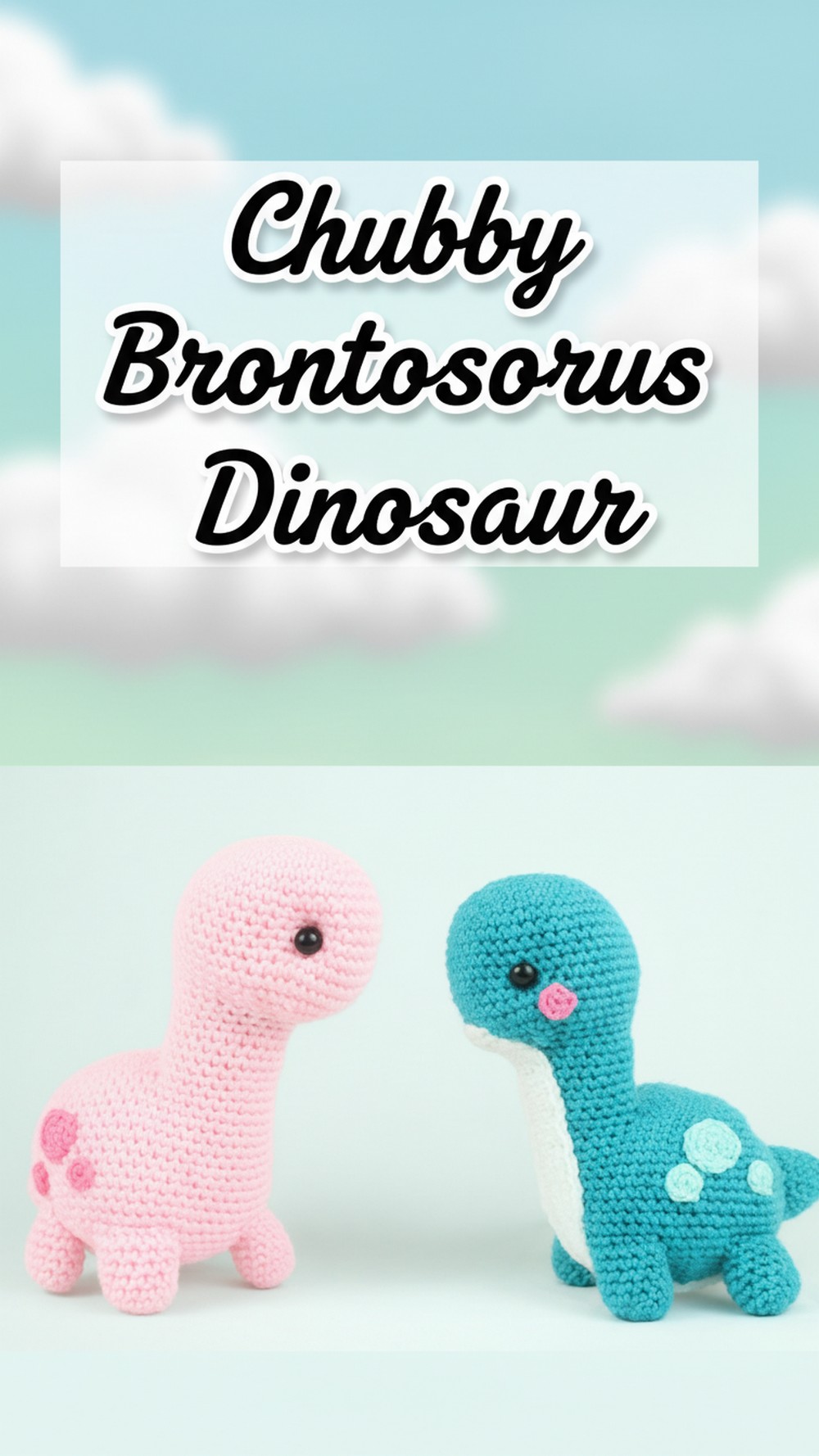
This brontosaurus is delightfully chubby with a big rounded body, long neck, and contrast spots, making it irresistible for kids. Worked mostly in single crochet rounds, it’s a great way to learn shaping curves and attaching simple limbs. Use two coordinating worsted colors—like teal for the body and blush pink for the spots—to echo the StringyDingDing sample. Stuff firmly so the neck doesn’t flop. The detailed dinosaur pattern includes both written instructions and photos to keep you on track from tail to snout. StringyDingDing
Supplies:
- Yarn (Worsted acrylic, #4): Main dinosaur color plus contrast for spots and details
- Hook: 4.0 mm
- Notions: Stuffing, 10–12 mm safety eyes, yarn needle, stitch marker
Why it’s great: Teaches smooth shaping for long necks and tails while still working up surprisingly fast.
Pocket Fox Softie
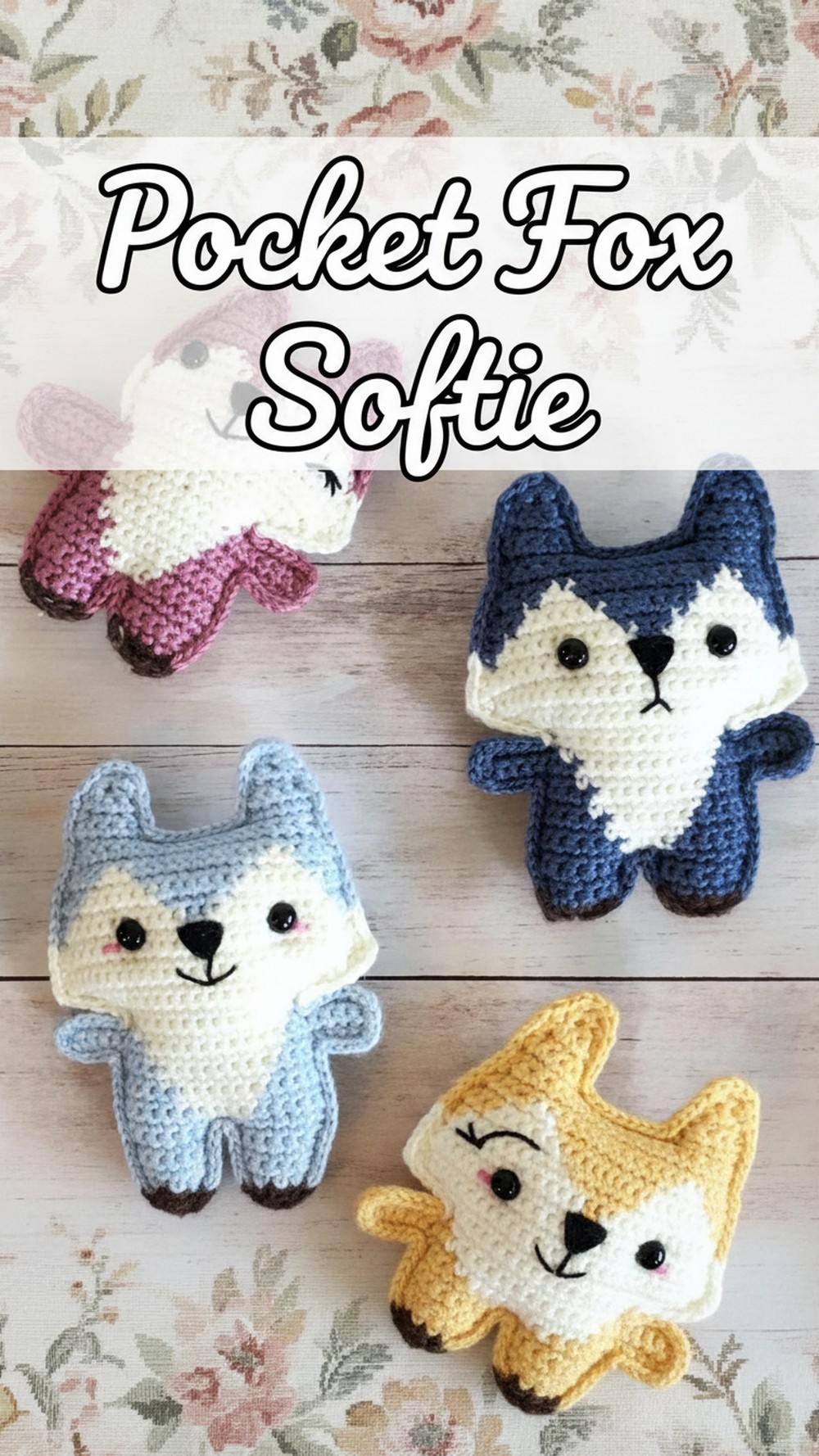
Pocket Fox is a flat-style amigurumi that slips neatly into any pocket—great for kids who want a travel buddy. The body is worked in two panels with colorwork for the white belly and face, then crocheted together, so it feels like a mini pillow plush. Choose a rich terracotta or one of the original colorways like country blue or sunshine yellow with an off-white snout and belly. Follow Spin a Yarn Crochet’s Pocket Fox pattern for clear charts and color-change tips that keep the back tidy. Spin a Yarn Crochet
Supplies:
- Yarn (Worsted acrylic, #4): Main fox color, off-white, small amount brown
- Hook: 2.75–3.5 mm (tighter than usual for firm fabric)
- Notions: 9 mm safety eyes, stuffing, tapestry needle
Why it’s great: Flat, ragdoll-style construction cuts down on shaping while still giving a super cute, huggable fox.
Itty Bitty Crochet Kitty
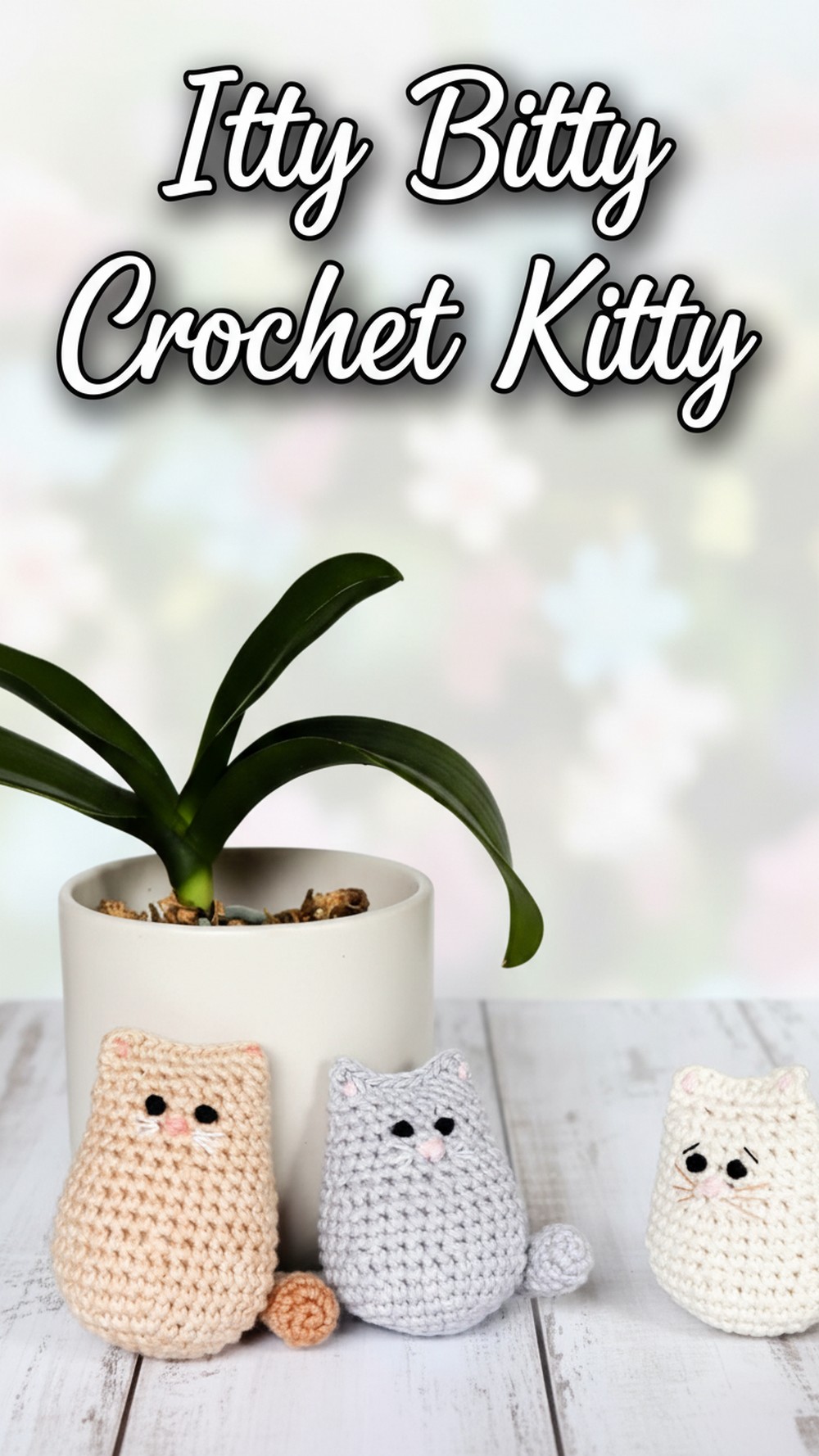
This itty bitty kitty is a small, round cat that’s ideal for learning full toy construction without a lot of pieces. The body is worked as a simple cylinder, then closed with little pointy ears worked in the finishing row. Make it in soft grey cotton like the Thoresby Cottage sample, or work up a ginger tabby with embroidered stripes. Add a lightly stuffed tail and simple embroidered face. The pattern includes tips for facial embroidery so you can give each cat a unique personality. Thoresby Cottage
Supplies:
- Yarn (DK cotton, #3): Light grey or desired body color
- Hook: 2.75–3.25 mm
- Notions: Stuffing, embroidery thread (black, white, pink, tan), optional safety eyes, yarn needle
Why it’s great: A compact pattern that’s beginner-friendly but leaves tons of room for color and marking variations.
Royal Frog with Secret Pocket
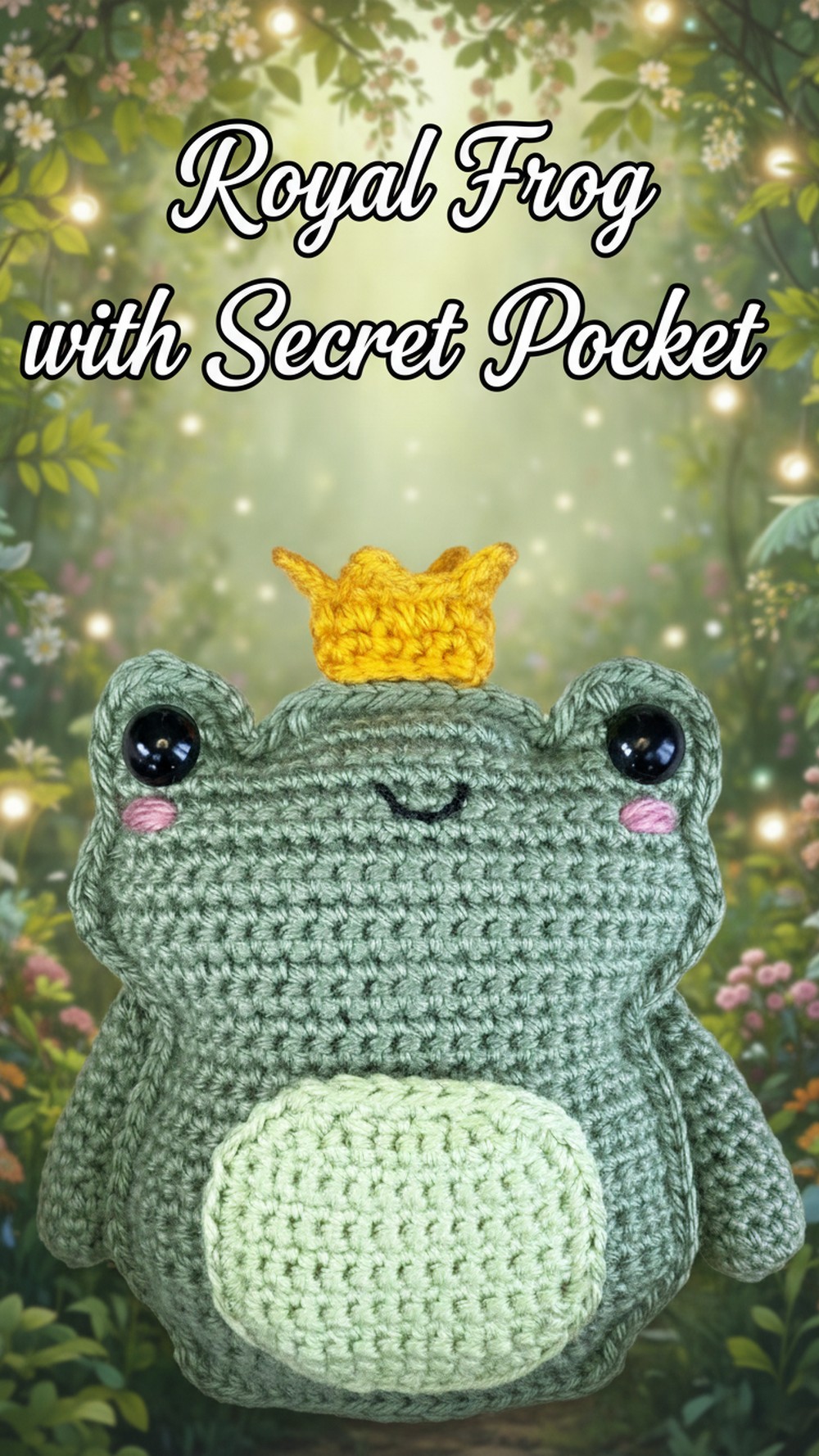
This charming frog looks like royalty with a tiny golden crown and a clever belly pocket that can hide a note or small treat. The body panels are worked flat in two shades of green, then joined, giving a 2-D ragdoll style that’s cute and quick. Patons Canadiana greens mimic the original’s “Medium Green Tea” and “Cherished Green” colors. Add a mustard-gold crown and you’re done. Spin a Yarn’s frog pattern includes detailed assembly photos so the pocket and limbs sit perfectly. Spin a Yarn Crochet
Supplies:
- Yarn (Worsted acrylic, #4): Medium green, lighter green, small amount gold and brown
- Hook: 3.25 mm main, 2.75 mm for belly
- Notions: Stuffing, safety eyes, tapestry needle, stitch markers
Why it’s great: A fun mix of flat panels and small 3-D details, plus that secret pocket kids absolutely love.
Jenni the Jellyfish
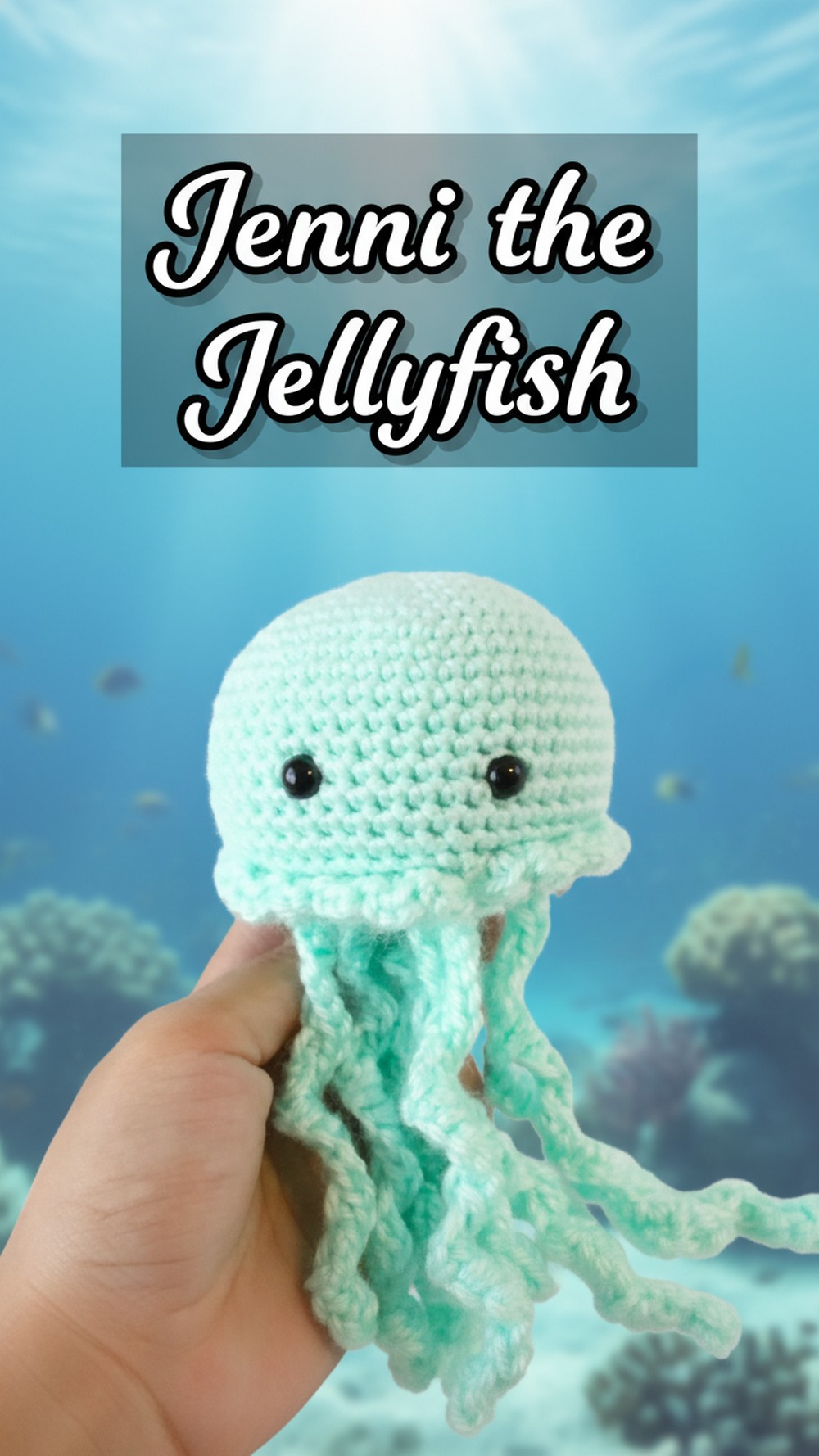
Jenni the Jellyfish is a soothing, squishy sea friend worked mostly in one piece, so there’s barely any sewing. The pale aqua head and curly tentacles look beautiful hanging in a nursery or from a bag. You’ll practice continuous rounds, front-loop-only ruffles, and long chained tentacles. The Blue Elephants pattern uses Yarn Bee Soft Secret in Pale Aqua for that soft, slightly shiny finish. It’s quick enough for markets, and you can vary tentacle length for different personalities. Cozy Crochet Slippers
Supplies:
- Yarn (Worsted acrylic, #4): Pale aqua
- Hook: 3.25 mm
- Notions: 9 mm safety eyes, stuffing, stitch markers, yarn needle
Why it’s great: Seam-free construction plus ruffled edges gives big visual impact with simple stitches.
Octopus Squish Fidget Toy
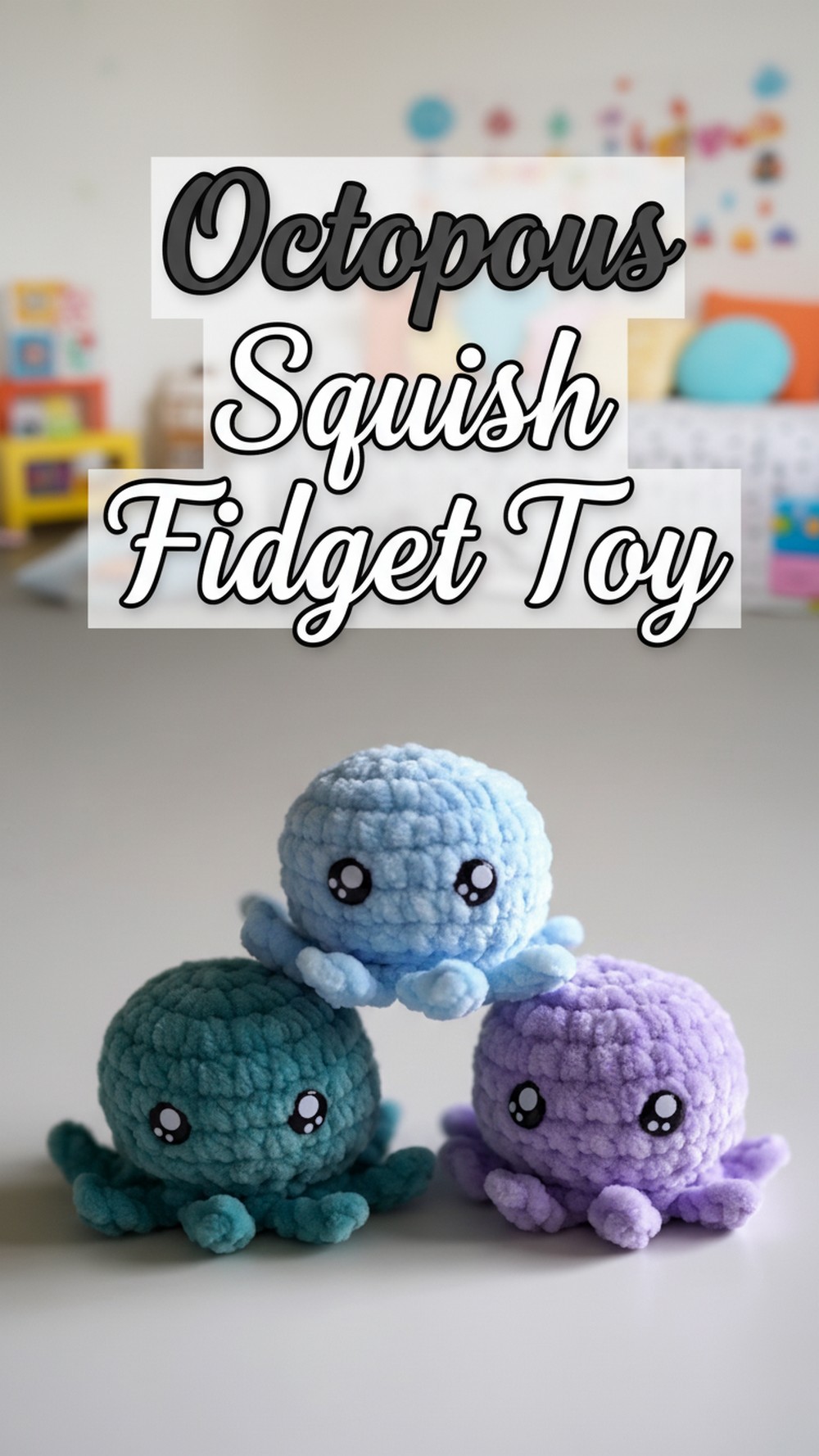
The Octopus Squish is a chunky, palm-sized plush you can finish in around 20 minutes with super bulky chenille or blanket yarn. Its round body and eight tiny tentacles make it squishy enough to use as a stress ball or fidget toy. The Sweet Softies pattern is completely no-sew—everything is worked in one piece, including the tentacles round. Use a soft pastel, like lilac or mint, for an extra cuddly vibe, and add kawaii-style eyes for personality. Sweet Softies
Supplies:
- Yarn (Super bulky chenille, #6): Any pastel color; Baby Snuggle or similar recommended
- Hook: 5.0 mm
- Notions: 9 mm safety eyes, stuffing, yarn needle, scissors
Why it’s great: Ultra-fast, no-sew toy that’s perfect for using up plush yarn and gifting as sensory squishes.
Joey the Duckling
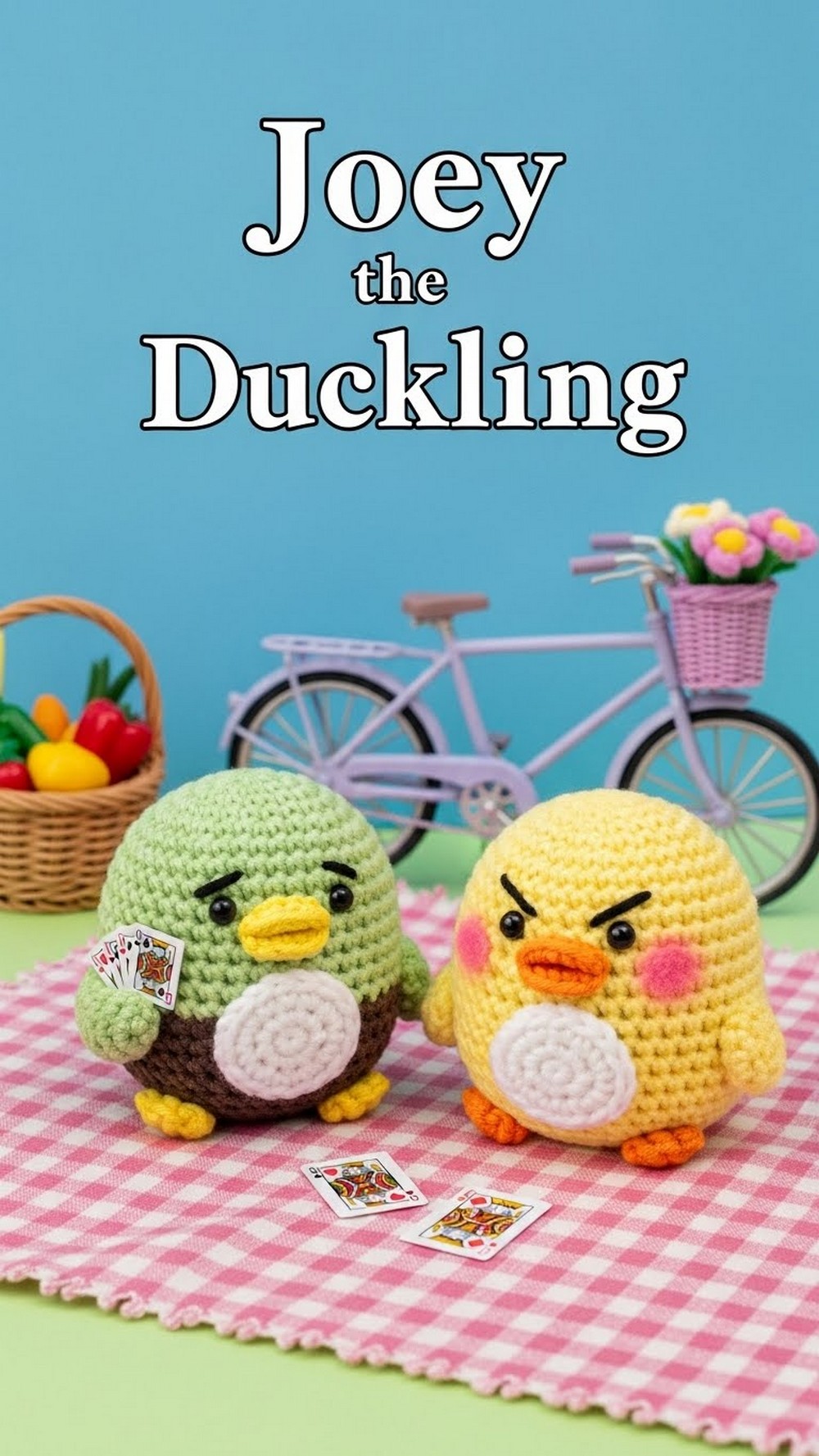
Joey the Duckling is a chubby, round duck with a bright yellow body, orange beak and feet, and tiny wings—perfect as a spring or Easter toy. The Curious Papaya pattern uses simple rounds in super bulky yarn, so he works up fast and feels extra huggable. You’ll change colors for the beak and feet and add safety eyes high on the face for cuteness. It’s a great follow-up once you’re comfortable with basic plush shaping and stuffing. curiouspapaya
Supplies:
- Yarn (Super bulky, #6): Yellow for body, orange for beak and feet
- Hook: Size recommended for blanket yarn (around 6.5 mm)
- Notions: Safety eyes, stuffing, yarn needle, stitch markers
Why it’s great: Chunky yarn plus simple shaping gives a big, satisfying toy with minimal effort.
Kawaii Ice Cream Cone
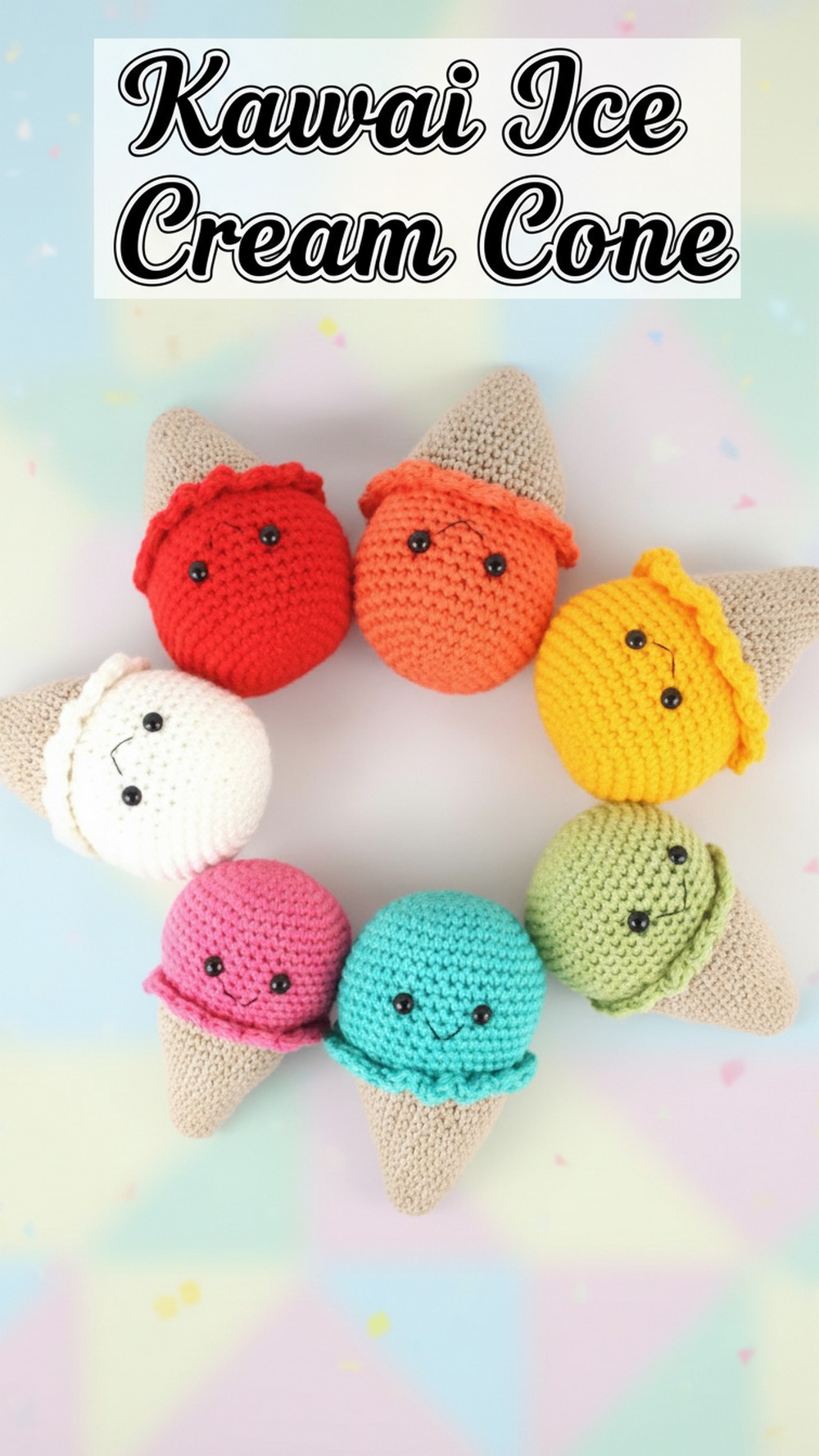
These kawaii ice cream cones come in two sizes—a big plush and a mini keychain—so you can make a whole “flavor” collection. Work the scoop in your favorite pastel, then the cone in a classic tan, add safety eyes, and finish with a ruffled drip edge. The StringyDingDing pattern explains both sizes and shows how to attach keychains cleanly. Use scraps for sprinkles or embroidered faces. It’s a fun, fast project that’s perfect for markets and summer-themed gifts. StringyDingDing
Supplies:
- Yarn (Worsted acrylic, #4): Main ice-cream color plus cone color (tan)
- Hook: 4.0 mm
- Notions: 6–9 mm safety eyes, stuffing, tapestry needle, keychain hardware (optional), black embroidery thread
Why it’s great: Repetitive, simple shaping and tiny details make these ideal scrap busters and gift toppers.
Sprinkle Donut Amigurumi
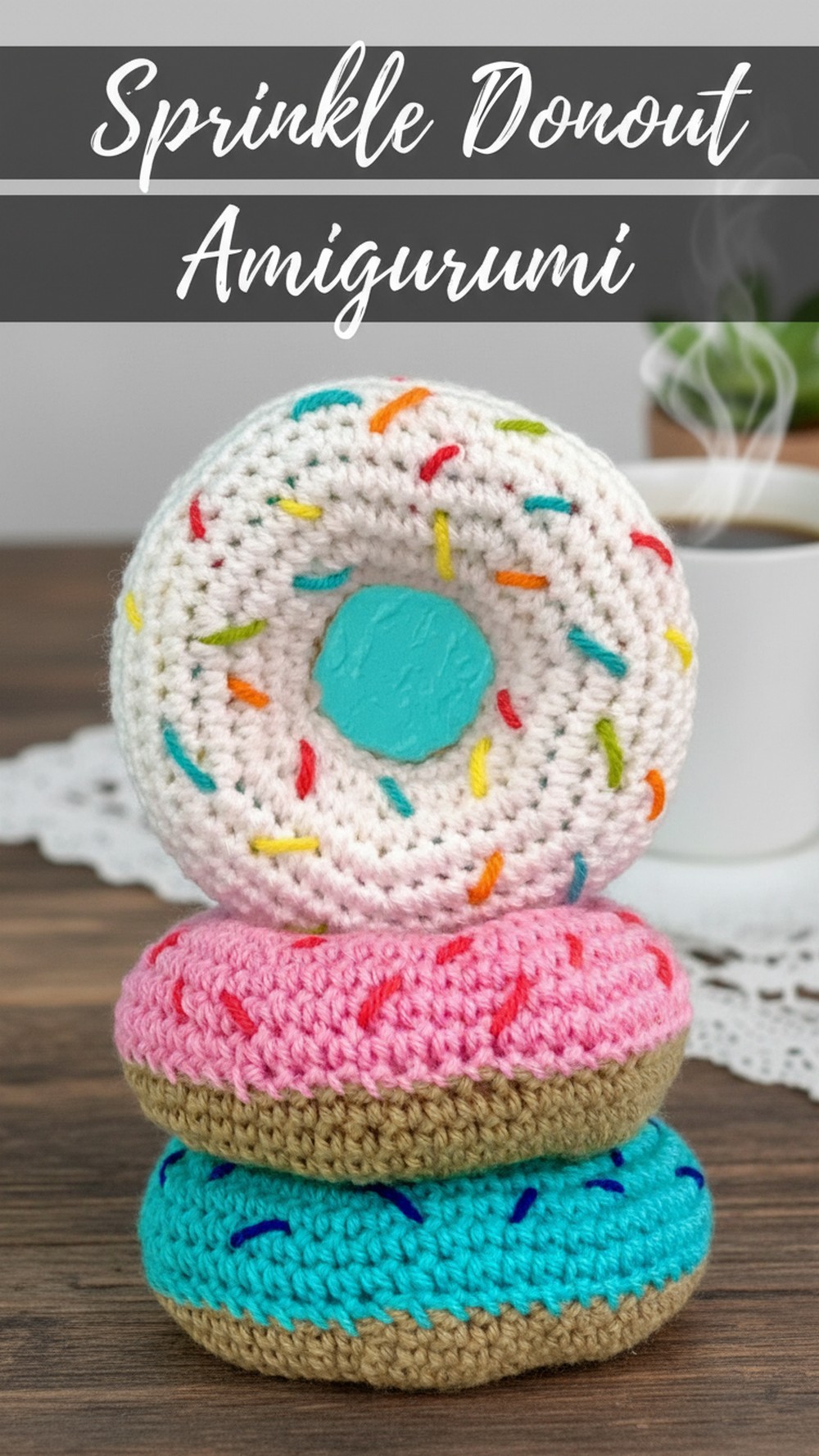
This plush donut looks good enough to eat, with a taupe “dough” base and white frosted top covered in embroidered sprinkles. The two rings are crocheted separately in the round, then stitched together while stuffing, so you’ll practice even increases and working on a circular base. The Okie Girl Bling ’n’ Things pattern shows exactly how to place sprinkles and sew the edges smoothly. Make a whole box in different frosting colors for play food or cute desk decor. OkieGirlBling’n’Things
Supplies:
- Yarn (Worsted acrylic, #4): Light taupe for donut, white and assorted sprinkle colors
- Hook: 3.5 mm (E)
- Notions: Stuffing, yarn needle, stitch marker, scissors
Why it’s great: A simple, flat-ring construction that builds your confidence with shaping and decorative embroidery.
Fluffy Alpaca Friend
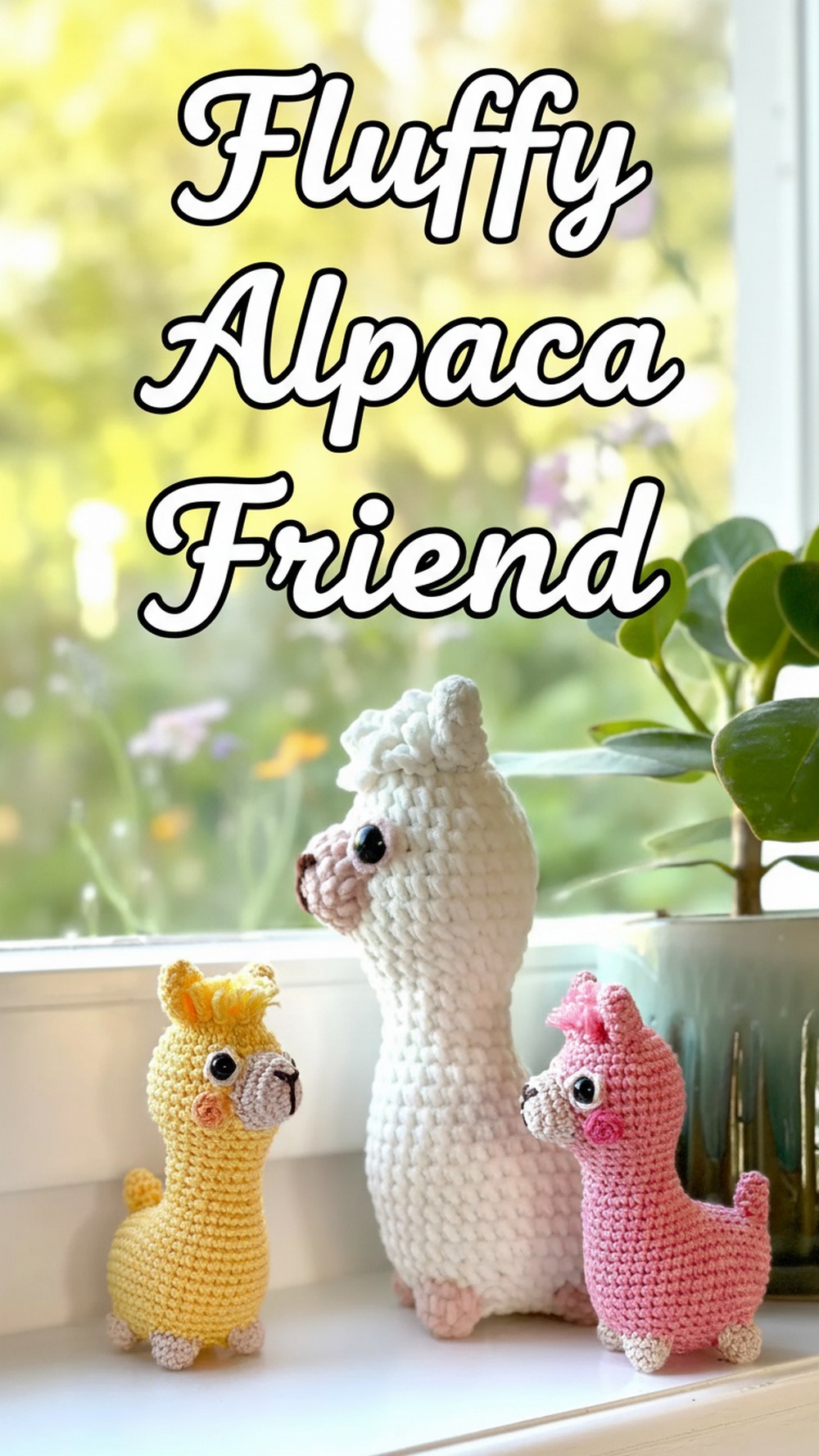
This fluffy alpaca (or tiny llama!) has a plump body, sweet face, and perky ears that look adorable in both small cotton and big plush versions. DIY Fluffies’ pattern offers size options, using pink sport cotton for the small alpaca, or chenille super bulky for a larger, super cuddly toy. You’ll work the legs, body, and head in separate pieces, then sew them together for a sturdy, standing friend. Add embroidered eyes or safety eyes and a little contrast muzzle for extra charm. DIY Fluffies
Supplies:
- Yarn (Sport cotton or chenille, #2–#6): Pink or neutral shades for body
- Hook: 2.5–5.0 mm depending on yarn size
- Notions: Stuffing, tapestry needle, pins, scissors
Why it’s great: Same pattern scales beautifully from pocket-sized to big plush simply by changing yarn weight.
Fred the Sea Turtle
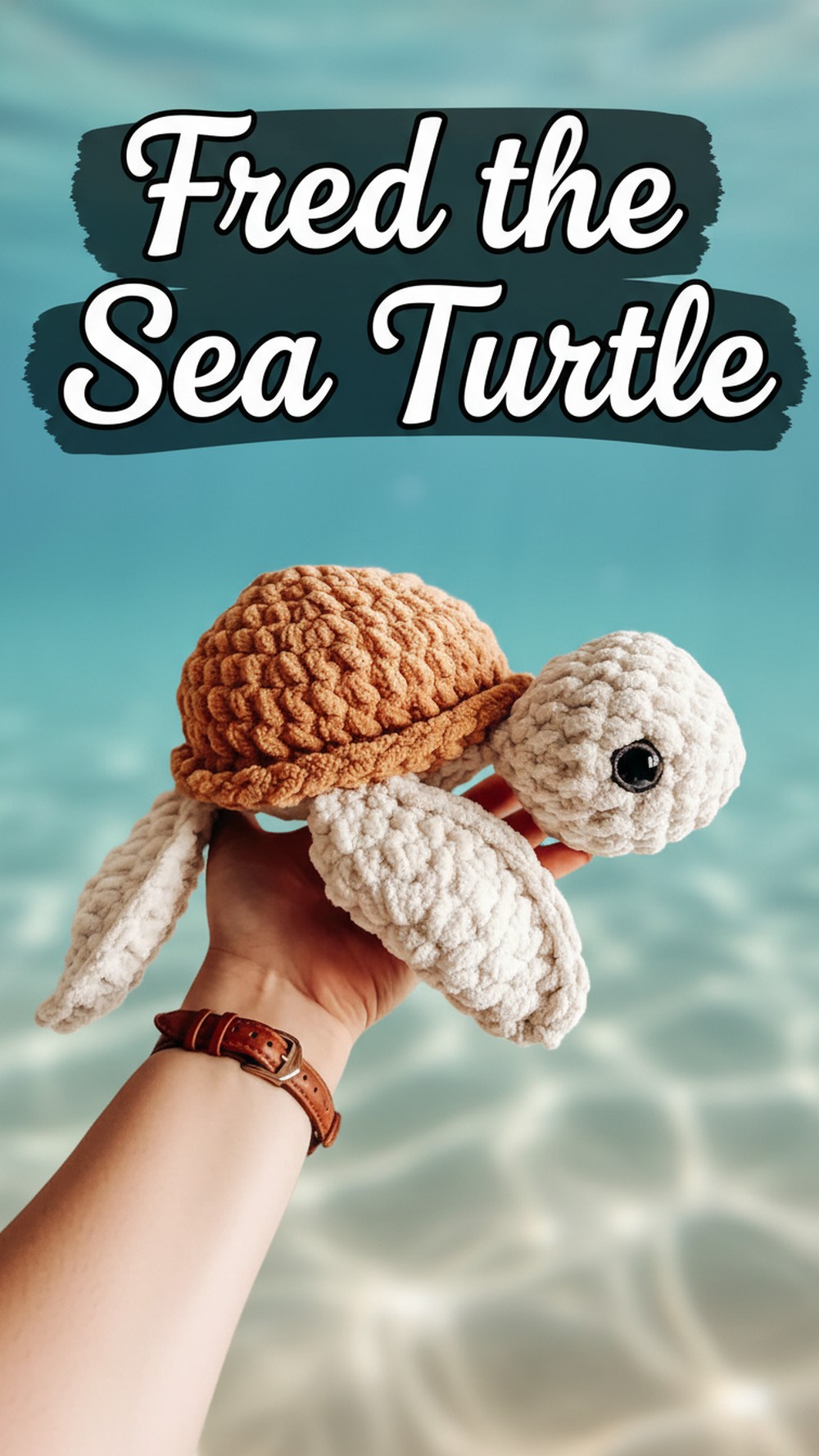
Fred the Sea Turtle is a chunky, squishable sea buddy made with super bulky chenille yarn, so he works up quickly and feels incredibly soft. The CJ Design pattern cleverly joins pieces as you go, so there’s minimal sewing but plenty of structure. Use Bernat Blanket in a seafoam main color with a slightly darker or speckled shell shade to echo the original look. You’ll learn how to attach limbs while crocheting the body, making future no-sew projects easier. CJ Design Blog –
Supplies:
- Yarn (Super bulky chenille, #6): Main turtle color plus contrast shell color
- Hook: 7–8 mm
- Notions: 20 mm safety eyes, stuffing, stitch markers, yarn needle
Why it’s great: Big, huggable, and mostly no-sew, this turtle is perfect for comfy couch buddies or kids’ gifts.
Pebble the Penguin
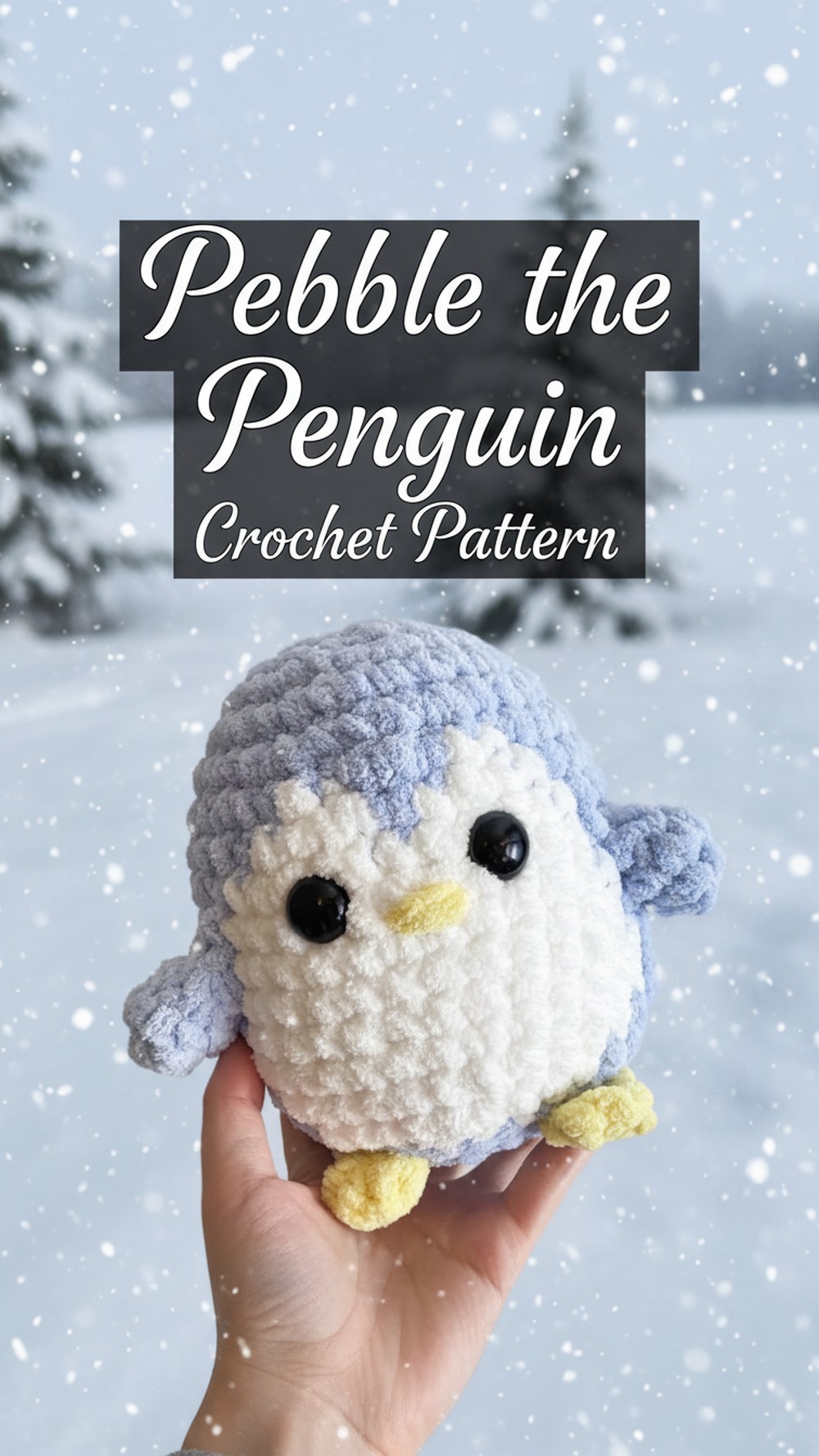
Pebble the Penguin is a small, round penguin with a blue blanket-yarn body, white tummy, and tiny yellow beak and feet. The squishy texture makes it perfect for cuddling or perching on a shelf. The Mary Jay pattern is worked in continuous rounds with built-in color changes that account for the natural slant of amigurumi, so the belly stays centered. You’ll add flippers, feet, and a little tail bump for character. It’s a lovely project once you’re comfortable with color changes. The Mary Jay
Supplies:
- Yarn (Super bulky, #6): Blue, white, yellow Bernat Blanket or similar
- Hook: 6.5 mm
- Notions: 18 mm safety eyes, stuffing, yarn needle, stitch markers
Why it’s great: Chunky yarn plus thoughtful shaping makes a perfectly round, cuddly penguin with a neat belly panel.
Conclusion
You’ve now got 15 adorable amigurumi toys to choose from—everything from tiny keychain bunnies to squishy sea creatures and sweet treats. Pick one simple shape to start, like a donut or octopus, then move into more detailed characters as your confidence grows. Each project teaches a new skill that builds on the last. Bookmark this list, share it with crochet friends, and slowly build your own handmade toy menagerie.
FAQs
1. What yarns are best for cute amigurumi toys?
For most toys, use a non-splitting yarn with good stitch definition: cotton or acrylic in DK or worsted weight is perfect. For super squishy plushies, choose chenille or blanket yarn in super bulky weight and use a slightly smaller hook than the label suggests so stuffing doesn’t show.
2. Should I machine wash or hand wash these toys?
Always check your yarn label first. Acrylic and many cotton yarns can usually go in a gentle, cold machine wash inside a pillowcase, then air-dry. Chenille and toys with safety eyes or embroidery last longer with cool hand wash, gentle squeeze (no wringing), and laying flat or on a towel to dry.
3. How can I make these patterns bigger or smaller?
Use the same stitch counts but change yarn weight and hook size. Thicker yarn + larger hook = bigger toy; thinner yarn + smaller hook = mini version. Just keep your hook 0.5–1.5 mm smaller than recommended for that yarn to maintain tight Crochet stitches suitable for amigurumi.
4. What fibers are safest for kids and for warm environments?
For babies or kids who might chew, choose cotton or baby-safe acrylic, and avoid loose embellishments. Skip safety eyes for under-threes and embroider eyes instead. For toys that might see warm conditions (like car seats), cotton holds up well and doesn’t get as fuzzy as some chenille options.
5. How do I make joins and edgings durable for daily play?
When sewing limbs or panels, use a long tail of the same yarn and work through both loops of each stitch, going around twice if it’s a high-stress area like arms or keychain loops. Tie a secure knot, then weave in the end through several stitches and bury it inside the stuffing.
6. How much yarn and time do these toys usually need?
Tiny keychain toys often use less than 25–30 g and take 1–2 hours. Medium worsted-weight animals may take 50–100 g and 3–5 hours. Super bulky plushies feel big but often use under a skein and work up in 1–3 hours because the stitches are large and fewer.
7. Any tips for photographing my amigurumi?
Use natural daylight near a window, turn off harsh overhead lights, and keep the background simple—plain wall, wood surface, or a couple of props like books or plants. Shoot slightly above eye level of the toy, focus on the face, and avoid busy patterns that distract from your Crochet stitches.
8. How do I fix curling, stretching, or wavy edges on my toys?
If pieces curl or ruffle, double-check your stitch counts; you may be adding or skipping stitches. Too loose tension can cause stretching—go down a hook size. For flat pieces, a quick steam or light blocking before assembly can help them behave. Once stuffed, gently shape the toy with your hands to smooth any wobbly areas.