Crochet fall leaf garlands can work in many different ways, from a soft vine wrapped around a wreath to a fuller banner stretched across a mantel. Some designs focus on a single repeating leaf, while others use bolder maple, oak, veined, or Tunisian-style leaves for more texture and seasonal color.
This list gives readers several ways to compare shape, display style, spacing, and source format before choosing a project. A narrow vine may suit a shelf edge, while a larger oak or maple banner may stand out better over a doorway, table, or fireplace.
Quick List
- Crochet No-Sew Leaf Vine Garland
- Crochet Classic Fall Leaf Garland
- Crochet Room Decor Leaf Garland
- Crochet Simple Autumn Leaf Garland
- Crochet Maple Leaf Banner Garland
- Crochet Oak Leaf Mantel Garland
- Crochet Veined Leaf Garland
- Crochet Tunisian Autumn Leaf Garland
Why These Crochet Fall Leaf Garlands Are Worth Making
Fall leaf garlands are useful when a room needs seasonal color without bulky decor. They can be draped across shelves, layered over a mantel, added to a doorway, or worked into a wreath. Because the main shape is repeated, the final look can be adjusted by changing the number of leaves, the spacing, or the autumn color mix.
These projects also help readers choose between light and fuller displays. A slim vine feels more delicate, while maple or oak leaves create a stronger fall statement. Before starting, it is worth checking the finished leaf size, yarn weight, hanging method, and whether the source uses US or UK crochet terms.
1 . Crochet No-Sew Leaf Vine Garland
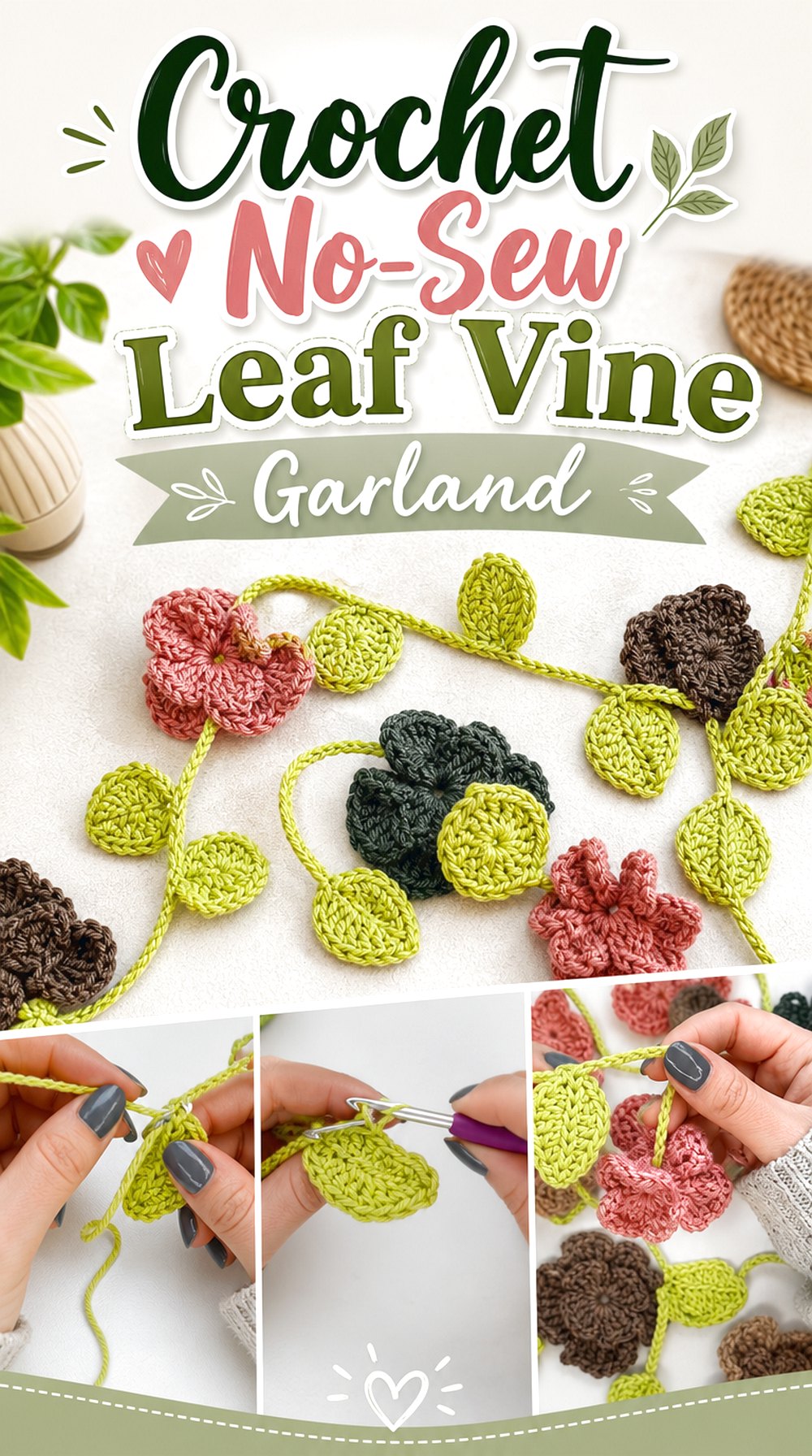
A continuous vine-style garland gives this idea a soft, trailing look instead of a row of separately attached leaves. The leaves are worked into the same flowing line, so the finished piece may suit wreaths, shelf edges, curtain rods, or narrow wall displays. This option feels different from the fuller fall banners because it reads more like foliage than a set of individual ornaments.
The design can be made in green for a natural vine look or shifted into rust, mustard, olive, and brown for autumn decorating.
Think About the Vine-Like Shape
The connected leaf-and-chain layout gives this garland a lighter profile than a string of large separate leaves. That matters if the display area is narrow or already has other fall pieces nearby. Before choosing it for a mantel or wreath, think about whether you want a delicate line of foliage or a stronger leaf banner with more visual weight.
Plan the Garland Length
A vine garland depends heavily on length and spacing. A short version may work around a small wreath or basket handle, while a longer one can drape across a shelf. The source describes the garland as adjustable, so readers should decide where it will hang first, then follow the creator’s exact guidance for continuing the chain and leaves.
Use the Close-Up Leaf Sections
Because the leaf is part of the running vine, the transition between chain and leaf is the key detail to watch. Close-up sections are helpful for checking where the leaf begins and how it returns to the main line. Pausing at each repeated shape can keep the spacing more consistent without needing to rewrite the pattern.
Creator: Hooked by Robin
2 . Crochet Classic Fall Leaf Garland
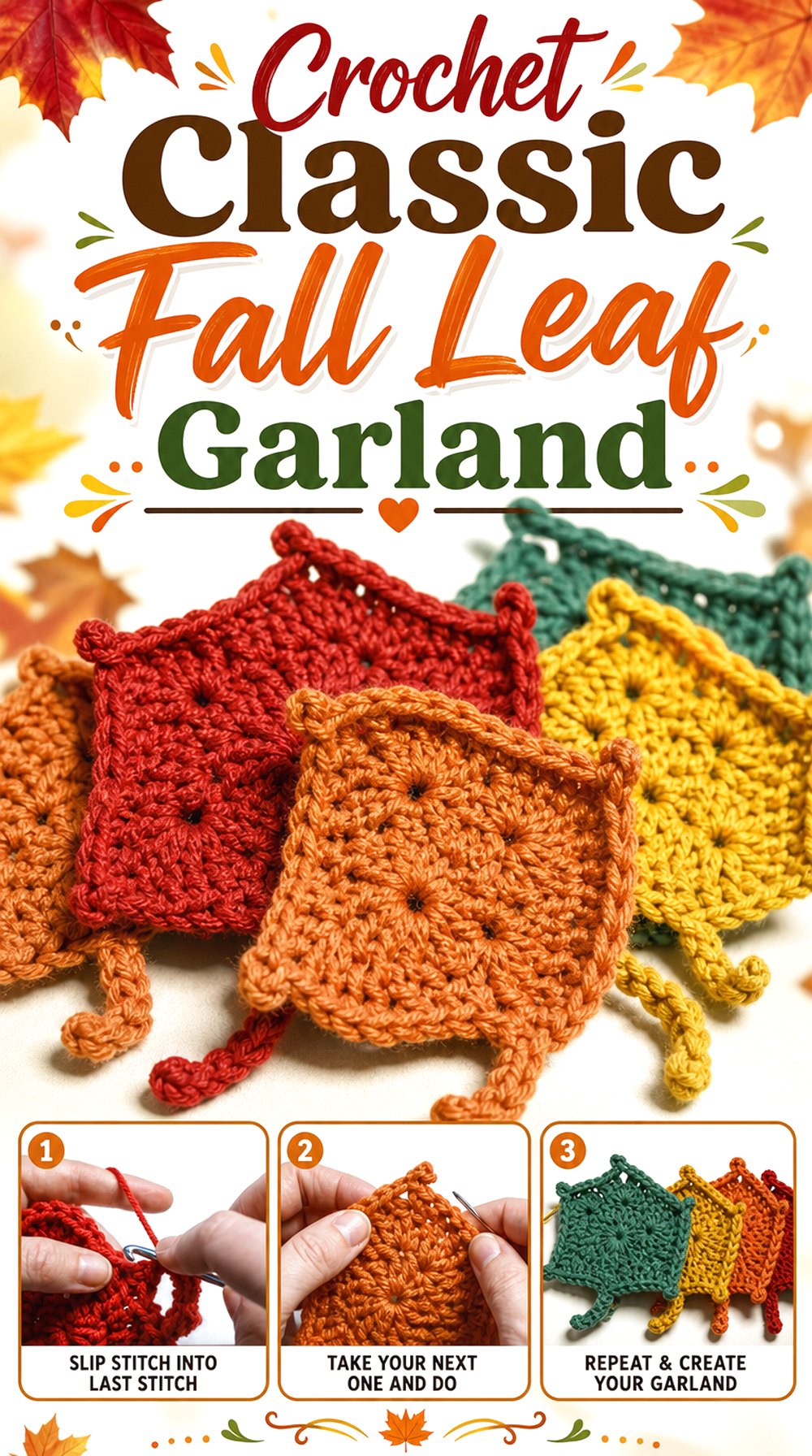
This garland uses individual fall leaves strung together for a clean seasonal banner. The finished look is direct and recognizable: broad autumn leaves in warm colors that can be placed across a wall, mantel, window, or party table. It differs from the vine version because each leaf can stand out as its own shape.
The creator states that the leaves can also be sewn onto other fabric items, so readers who like multipurpose fall motifs may find this project especially practical.
Confirm the Individual Leaf Size
The source gives an approximate leaf size when made with the listed yarn and hook, which helps readers picture the finished scale before starting. That is useful because a large leaf garland can quickly fill a mantel, while smaller leaves may need more repeats. Check the size information against the display spot instead of choosing colors first.
Decide Where to String It
A separate-leaf garland gives more control over spacing than a continuous vine. Leaves can sit close together for a fuller banner or farther apart for a lighter look. Before finishing the display cord, decide whether the garland will hang straight, dip in the center, or wrap around another piece of decor.
Check the Creator’s Material Notes
The creator lists the yarn weight and hook used in the sample, while also noting that sizing can change with different yarn and hook choices. That makes supply planning important. Readers should record the source materials first, then decide whether they want a similar size or a scaled-up version for a larger wall or fireplace area.
Creator: BitKnits
3 . Crochet Room Decor Leaf Garland
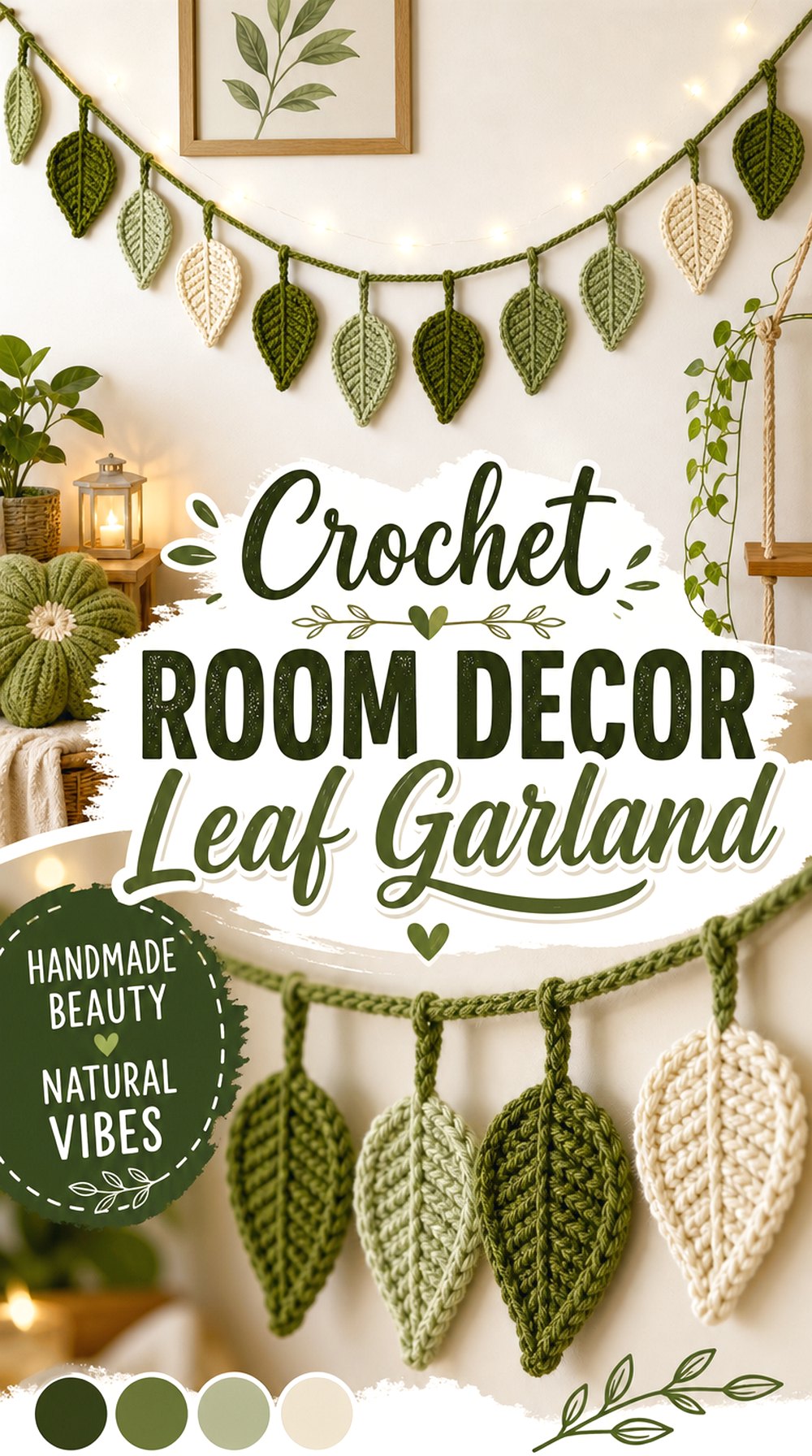
A room-focused leaf garland works well when the goal is a simple decorative strand rather than a large holiday centerpiece. The finished item is presented as a cute leaf garland for decorating a room, so it may suit a desk wall, shelf, mirror edge, or cozy corner. Its appeal is the clean repeat of leaves without adding pumpkins, flowers, or extra motifs.
This idea is useful for readers who want fall color in a smaller space without making the display feel crowded.
Choose a Light Display Spot
This kind of garland can disappear if it is placed against a dark or busy background. A pale wall, simple shelf, or window frame helps the leaf shapes stay visible. Before making many repeats, readers may want to hold yarn colors near the planned display area to see whether the leaves will stand out clearly.
Keep the Leaves Easy to See
A simple leaf garland depends on recognizable outlines. If the yarn is too fuzzy or the colors are too close to the background, the leaf shapes may blur together. The safest approach is to keep the display uncluttered and let the repeated leaves carry the design instead of adding too many nearby decorations.
Review the Hanging String Before Finishing
The strand itself affects how the garland hangs. Readers should check whether the tutorial shows a clear hanging method, how the leaves sit along the cord, and whether the ends are finished for tying or pinning. This is especially helpful for room decor, where the garland may need to be moved or repositioned.
Creator: Nora’s creative corner
4 . Crochet Simple Autumn Leaf Garland
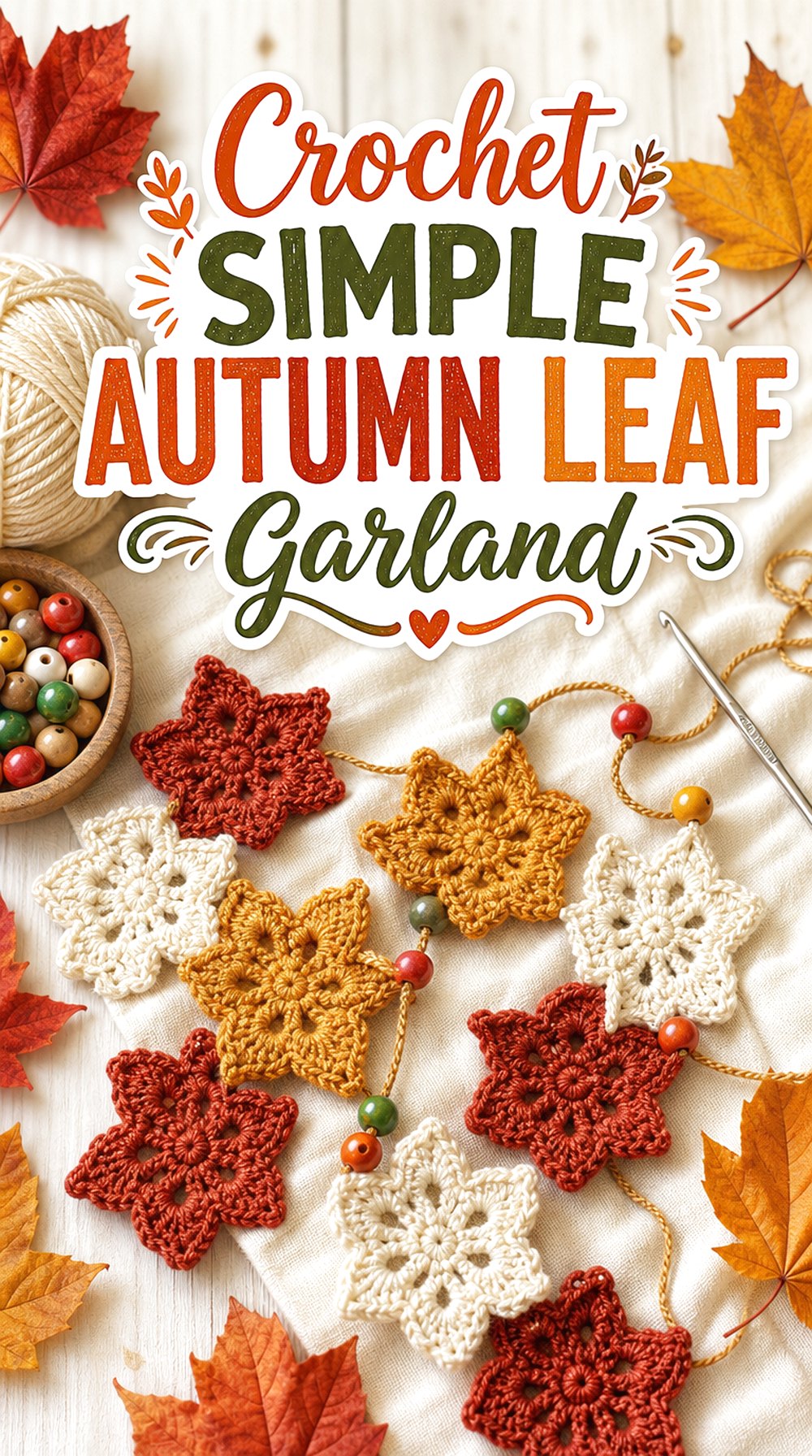
This autumn leaf garland is a straightforward seasonal decor option with a clear fall focus. The source notes that it uses UK crochet terms, which makes it especially important for readers to check terminology before following along. Visually, this idea fits well with rustic displays, small mantel arrangements, and warm-color autumn decorating.
It differs from the oak, maple, and Tunisian options because the main value is a simple leaf garland format rather than a strongly botanical or technique-driven shape.
Check the Crochet Terms First
The creator explains that the tutorial uses UK terms and includes a small conversion note in the description. That detail matters because US and UK crochet terms can use the same stitch names for different movements. Readers who usually follow US terms should review the conversion before starting so they do not accidentally change the leaf shape.
Match It to Autumn Decor
A simple autumn garland can blend into many fall setups. It may sit well with pumpkins, candles, baskets, or a plain wooden shelf, as long as the leaves still have enough visual space. For a calmer look, use fewer colors. For a harvest-style display, mix several warm shades while keeping the same leaf form.
Recheck the Leaf Direction
With any garland made from repeated leaf motifs, direction and placement can change the final rhythm. Some leaves may point the same way for a tidy look, while alternating directions can feel more natural. The important check is consistency: review the finished sample and decide how the leaves should face before securing the strand.
Creator: Octopudding
5 . Crochet Maple Leaf Banner Garland
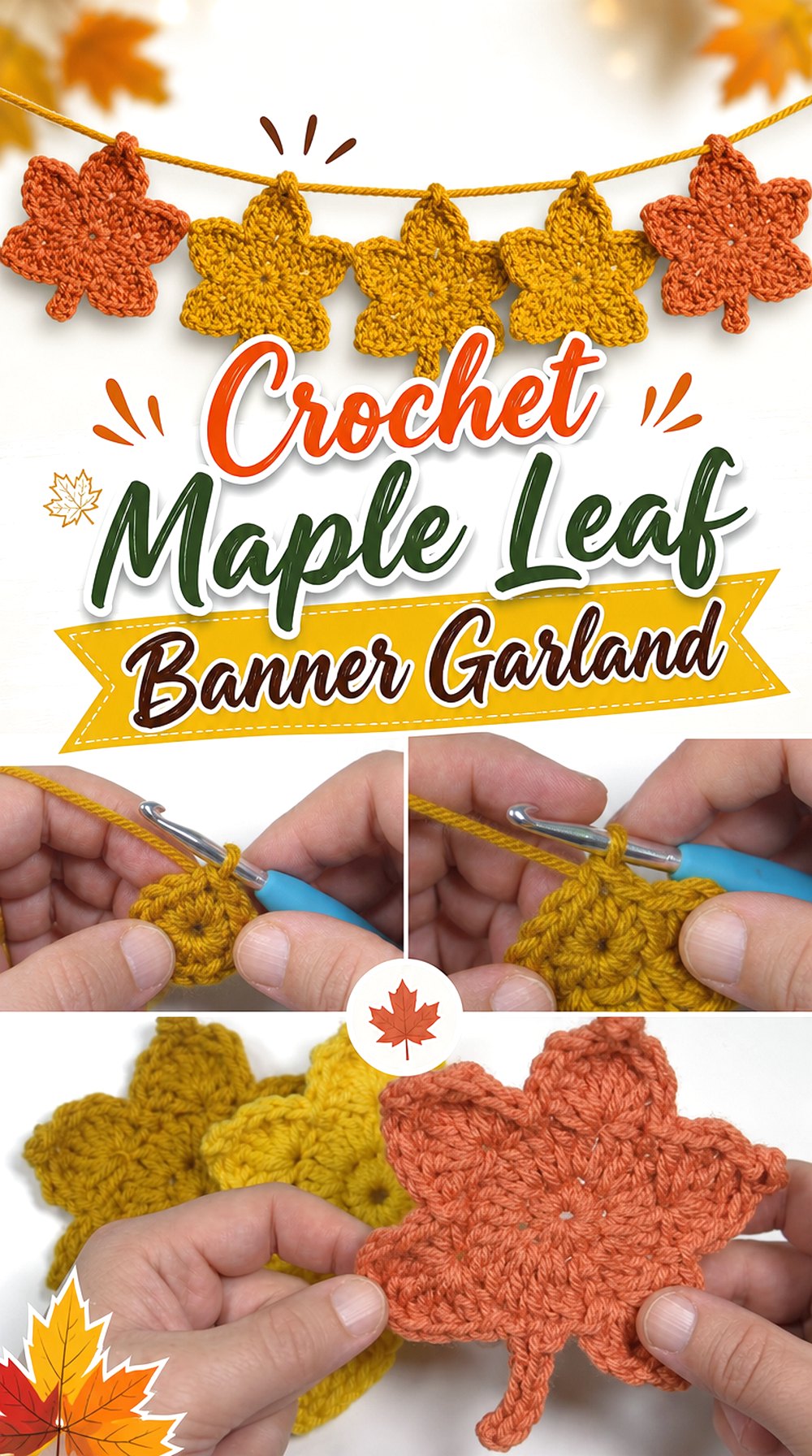
A maple leaf banner gives the fall garland a bolder silhouette. The leaf points create a clear seasonal shape that reads well from a distance, making this option useful for a mantel, party backdrop, classroom wall, or Thanksgiving display. Compared with the slimmer vine garlands, this one has more graphic impact.
The source connects the maple leaf design with a leafy banner, so readers can use the original tutorial for the exact construction details and linked pattern information.
Use the Maple Shape as the Focus
The maple outline is the strongest feature here, so the display should let that shape stay clear. Solid fall colors can help each leaf read cleanly, while too many surrounding props may compete with the points. This is a better choice when the goal is a visible banner rather than a quiet strand of background foliage.
Plan the Banner Spacing
Large, distinct leaf shapes usually need more breathing room than tiny leaves. If the leaves are placed too close together, the edges may overlap and hide the maple outline. Readers should look at the finished banner view and decide whether they want a full harvest look or a cleaner line with space between leaves.
Check the Linked Pattern Details
The video description points readers toward a free pattern connected with the leafy banner. That is useful for anyone who prefers to compare written guidance with the video before beginning. Readers should check the pattern source, yarn information, and any notes from the creator rather than relying only on the finished image.
Creator: The Crochet Crowd
6 . Crochet Oak Leaf Mantel Garland
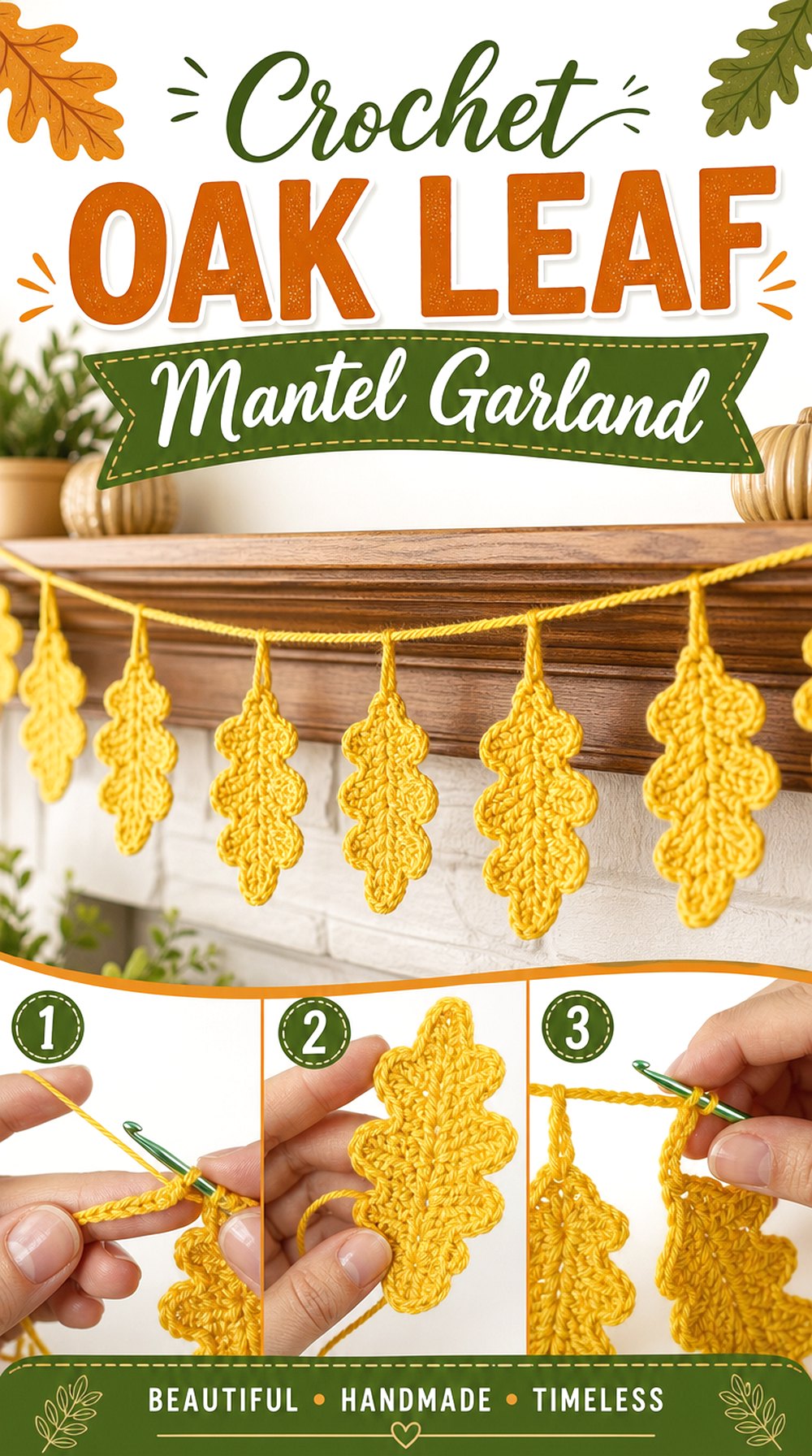
Oak leaves give this garland a woodland feel, with a shape that is different from the smoother vine leaves and pointed maple leaves. The finished project is presented for autumn home decor, including mantel displays and table settings, so it can work as either hanging decor or a laid-flat seasonal accent.
This idea suits readers who want a traditional fall look with a slightly more natural, earthy shape instead of a bright party-style banner.
Let the Oak Shape Set the Mood
Oak leaves have a calmer, more rustic outline than maple leaves. That makes them useful for displays with wood, linen, baskets, or muted fall colors. The shape can feel more natural across a mantel or table runner, especially when the color palette includes brown, rust, mustard, cream, or deep green.
Choose a Mantel or Table Setting
The source describes the garland as suitable for seasonal decor, mantel displays, and table settings. Those uses need different planning. A mantel garland may need enough length to drape, while a table display should avoid interfering with dishes or candles. Decide the placement first so the finished strand fits the space.
Check the Free Pattern Link
The video description includes a free pattern link, which may help readers who prefer written support alongside the tutorial. Before buying supplies, check that the pattern link is still available and review the listed materials. That keeps the project tied to the creator’s exact version instead of relying on guessed substitutions.
Creator: Yarnspirations
7 . Crochet Veined Leaf Garland
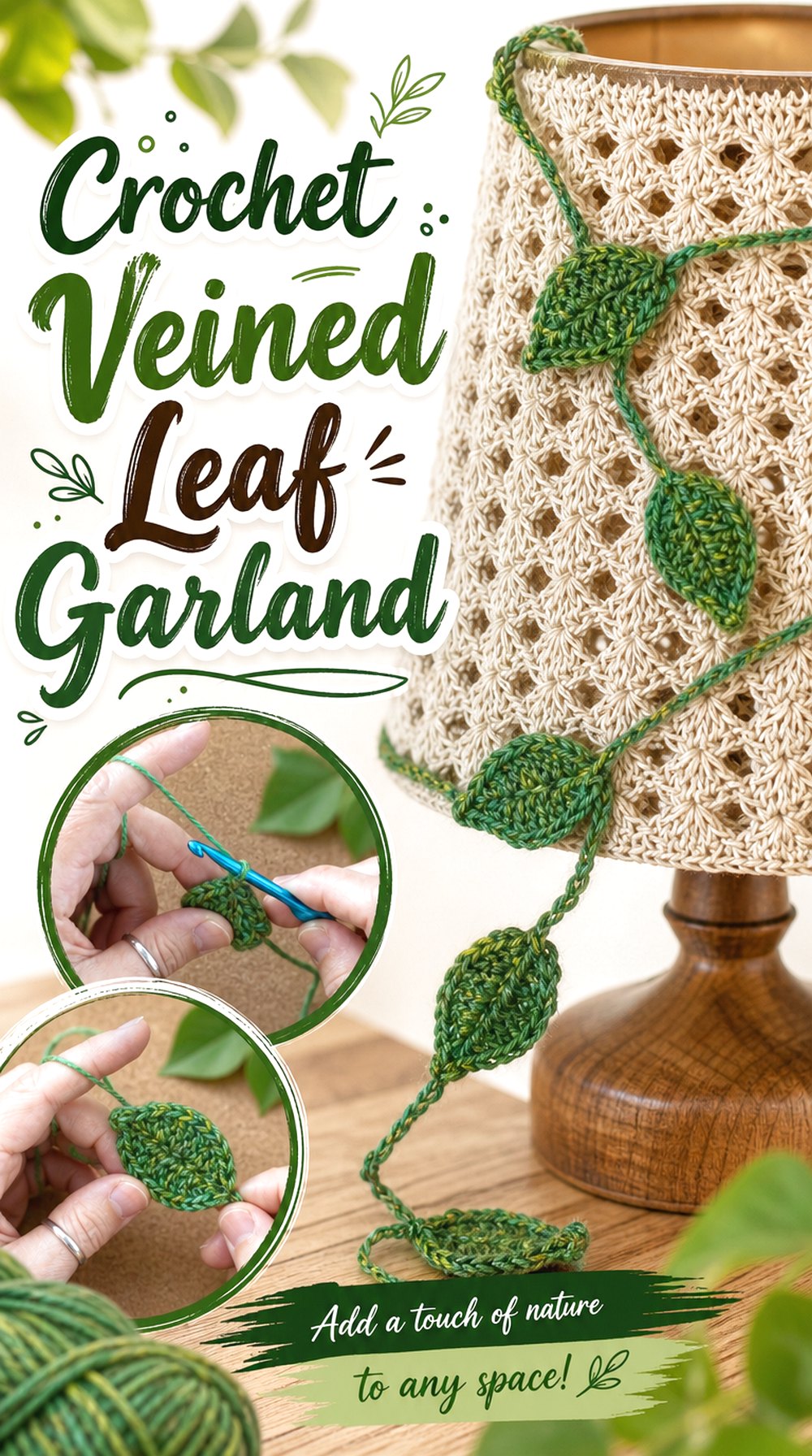
A veined leaf garland adds surface detail to the fall leaf theme. The visible vein line gives each leaf more definition, which can make the strand feel more textured than a plain outline garland. This idea is useful for readers who want a handmade look that shows detail up close, especially on a shelf, wall hook, or small seasonal display.
The creator notes that autumnal colors can be used for fall, so the design can shift from fresh greenery to warm seasonal tones.
Notice the Veined Texture
The vein detail is the main reason to choose this garland over a simpler leaf strand. It gives the leaves a more defined center and can help them stand out in close-up displays. To keep that detail visible, readers should avoid placing the garland too high or too far back, where the texture may be lost.
Confirm the Finished Measurements
The source includes a measurement section, which is worth reviewing before choosing a display spot. Measurements matter because a garland that looks small on a table may feel too short across a fireplace or doorway. Readers should compare the finished size information with the planned location and adjust only through the creator’s guidance.
Plan for a One-Skein Display
The creator describes the garland as a one-skein project, but the final result can still vary with yarn choice, tension, and desired length. Readers planning a fuller display should check the supply information carefully before assuming one skein will suit every space. A small shelf garland and a wide mantel garland may have different needs.
Creator: Wind Rose Fiber Studio
8 . Crochet Tunisian Autumn Leaf Garland
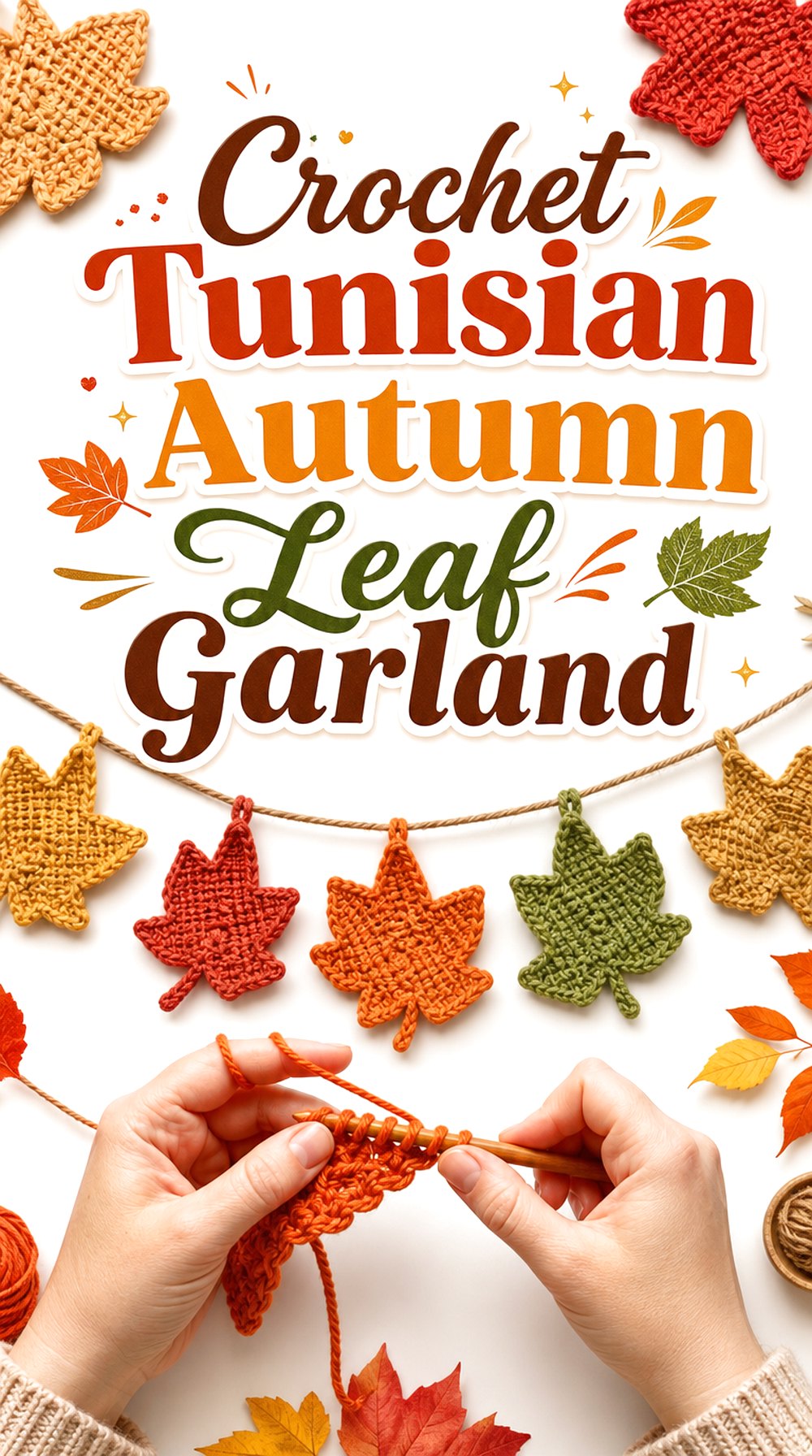
A Tunisian crochet leaf garland brings a different fabric texture to the collection. The source presents the autumn leaf as a Tunisian crochet pattern that can be used for garlands or potholders, so this idea is best for readers who want a stronger technique focus. The leaf shape has a more constructed look than a simple chain-and-leaf vine.
This project may suit a bold fall display, especially when made in changing-leaf colors such as gold, orange, red, olive, and brown.
Consider the Tunisian Crochet Look
Tunisian crochet often creates a fabric surface that looks different from standard crochet stitches. For a fall leaf garland, that can make the leaves appear more substantial and defined. Readers who want a delicate vine may prefer another option, while those who enjoy technique-based texture may find this one more interesting.
Decide Between Garland and Table Use
The source mentions garlands and potholders, so readers should decide the intended use before starting. A hanging garland needs attention to spacing and attachment, while a table-use version may need different expectations for size and flatness. Use the original guidance for the exact project direction rather than assuming both uses are finished the same way.
Review the Technique Before Committing
Because this project uses Tunisian crochet, it is worth watching enough of the tutorial to understand the method before preparing a full garland. Readers should check whether they have the right hook style, whether the movements are comfortable, and whether the source format gives enough support for their skill level.
Creator: YarnAndy
Conclusion
These crochet fall leaf garlands offer different ways to decorate for autumn without relying on one repeated look. The no-sew vine is light and trailing, the classic and room decor garlands are simple seasonal strands, and the maple and oak versions create stronger fall shapes. The veined and Tunisian options add more texture for close-up displays.
Readers should choose by display space first, then compare leaf size, hanging method, stitch style, and source format. Use the original tutorials for exact construction details before starting.
FAQs
How do I choose the right crochet fall leaf garland?
Start with the display location. A narrow shelf or wreath may suit a slim vine garland, while a mantel or doorway can handle larger maple or oak leaves. Also check whether the source gives finished measurements, spacing guidance, and a clear view of how the garland hangs.
Should I use one color or several fall colors?
Both can work. One color gives the garland a cleaner, quieter look, while several autumn colors create more movement across the strand. For a balanced display, choose colors that still let the leaf shapes show clearly against the wall, mantel, shelf, or table surface.
What should I check before changing yarn?
Changing yarn can change the leaf size, drape, texture, and finished length. Before substituting, review the creator’s material list and any size notes. A thicker yarn may make bolder leaves, while a thinner yarn may create a lighter strand, but the exact result depends on the original tutorial.
Can crochet fall leaf garlands be used outdoors?
Only use them outdoors if the yarn, placement, and weather exposure are appropriate. Most tutorial sources do not automatically confirm weather resistance. For porches or covered areas, check the yarn label, avoid wet conditions unless the material can handle it, and bring the garland inside when needed.
Can I sell a finished fall leaf garland from a YouTube tutorial?
Do not assume selling is allowed. Check the creator’s description, linked pattern terms, website terms, or license notes first. Some creators allow selling finished items, while others may restrict pattern use, teaching, copying, or commercial display. When terms are unclear, ask the creator directly.