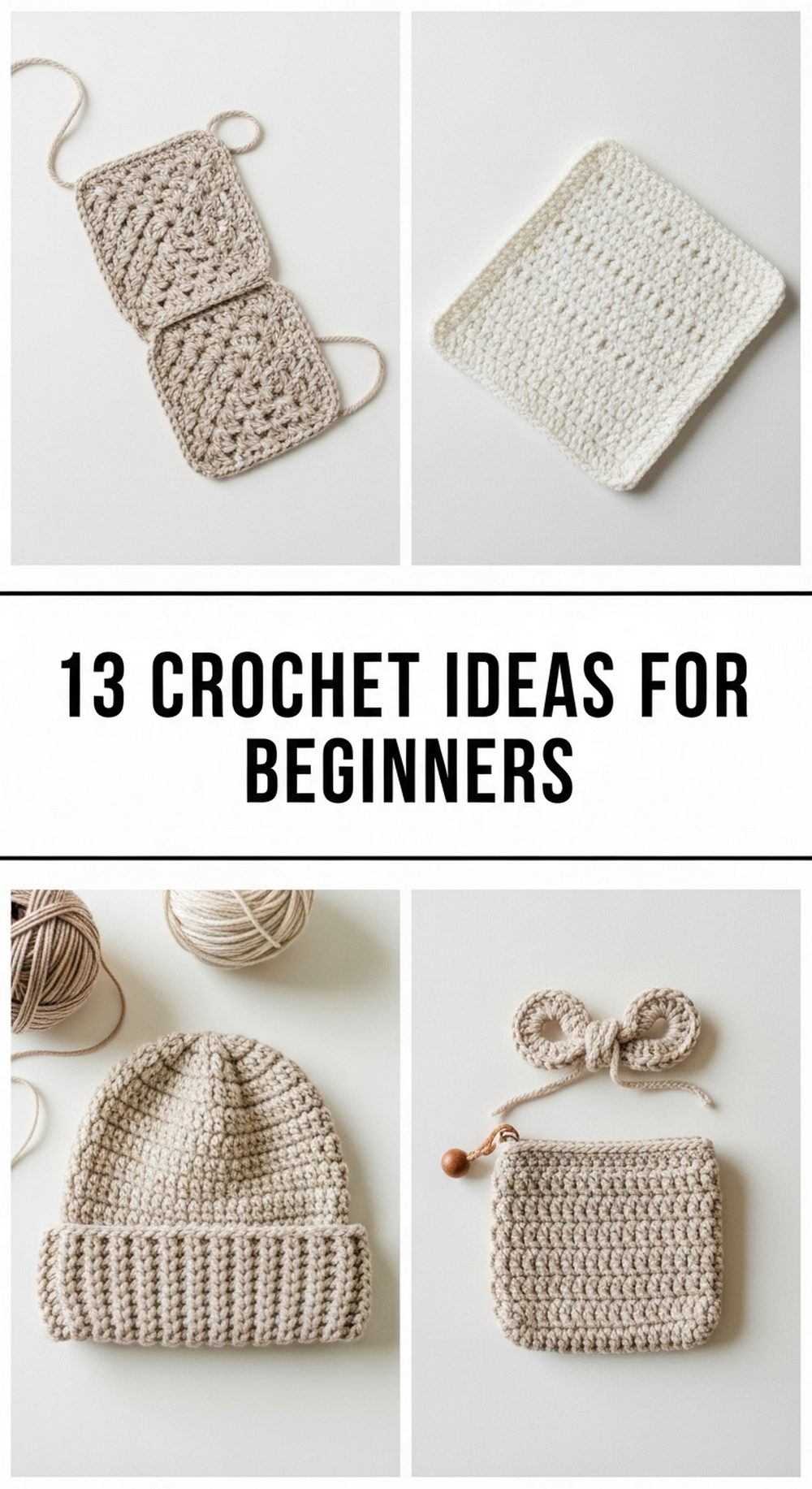

Getting started with crochet is much easier when you pick small, forgiving projects that use basic stitches and simple shaping. These fifteen ideas will help you practice chains, single crochet, and easy repeats while still making things you’ll actually use or gift. Stick with medium-weight yarn and light colors so you can see your stitches clearly, and don’t stress about perfection—blocking and everyday use hide a lot of wobbles. Pick one project that excites you, gather your yarn and hook, and start building your crochet skills, one relaxed row at a time.
Beginner Single Crochet Washcloth

This classic beginner washcloth is perfect for your very first project: one rectangle, one stitch, no counting gymnastics. You’ll work all in single crochet with worsted cotton, so the fabric is dense and scrubby but still soft on skin. Make it roughly square, or just stop when you like the size. The free pattern from Mama In A Stitch uses Lily Sugar’n Cream in Batik, White, and Grey, so you can copy her soothing palette exactly. Toss it in the bath or kitchen and enjoy a truly useful first make. Tutorial
Supplies:
- Worsted weight cotton yarn (Lily Sugar’n Cream in Batik, White, or Grey)
- 6.5 mm (K) crochet hook
- Tapestry/yarn needle
- Scissors
Why it’s great: A super simple square that teaches tension, turning chains, and neat edges while giving you a durable cloth you’ll actually use.
Easy Extended Single Crochet Dishcloth
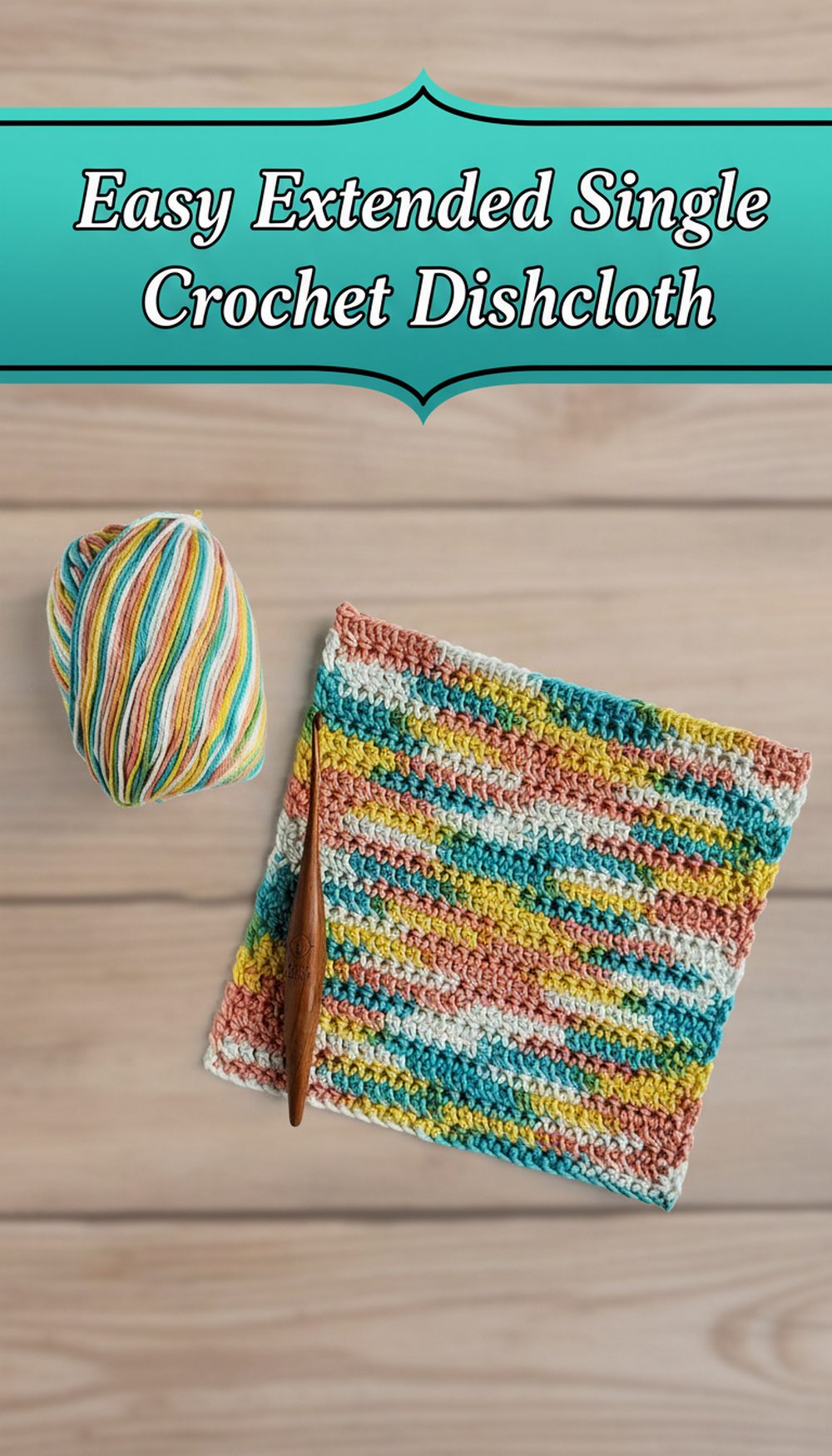
If hats intimidate you, this Delia Creates pattern keeps things simple: crochet a ribbed rectangle in single Ready for your next tiny upgrade? This dishcloth uses the extended single crochet stitch, which feels like a taller, drapier cousin of regular single crochet. The Sweet Bee Crochet pattern walks you through making an 8″ x 8″ square using about 70 yards of worsted cotton; try her WeCrochet Dishie Multi in “Friendship Bracelet” for cheerful rainbow stripes that hide small tension changes beautifully. Add the optional border if you’d like a tidy frame and instant gift finish. A fast, stash-friendly project to practice rhythm and consistency. Tutorial
Supplies:
- Worsted weight cotton yarn (Dishie Multi “Friendship Bracelet”)
- 4.0 mm crochet hook
- Yarn needle
- Scissors
- Measuring tape
Why it’s great: Teaches a new stitch while staying flat and square, giving you confidence and a hardworking kitchen cloth.
Super Simple Round Cotton Coasters
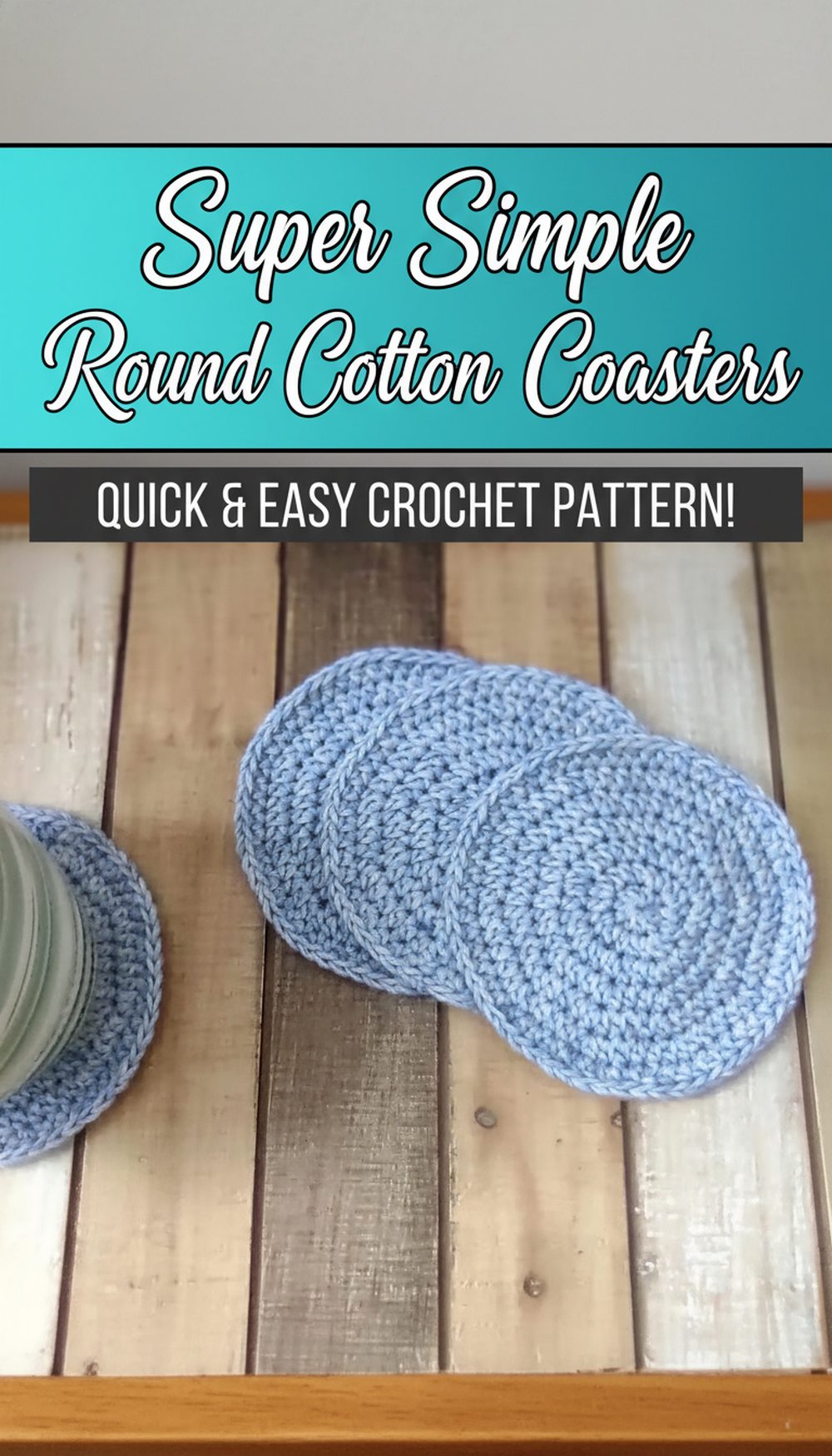
These oversized round coasters protect your table from big mugs and cold drinks while giving you a gentle intro to crocheting in the round. The PapioCreek pattern uses half double crochet increases to form a flat circle about 5″ across, all in wash-and-wear cotton. One coaster takes only about 10 grams of yarn, so you can whip up a full set in an evening and experiment with gauge and joins. Perfect for practicing magic rings and stitch markers without committing to a huge project. Tutorial
Supplies:
- Worsted weight cotton yarn (Loops & Threads Coastal Cotton or similar)
- 4.5 mm crochet hook
- Yarn needle
- Scissors
Why it’s great: Teaches you working in the round, increases, and tension control on a tiny, forgiving piece.
Basic Ribbed Single Crochet Beanie
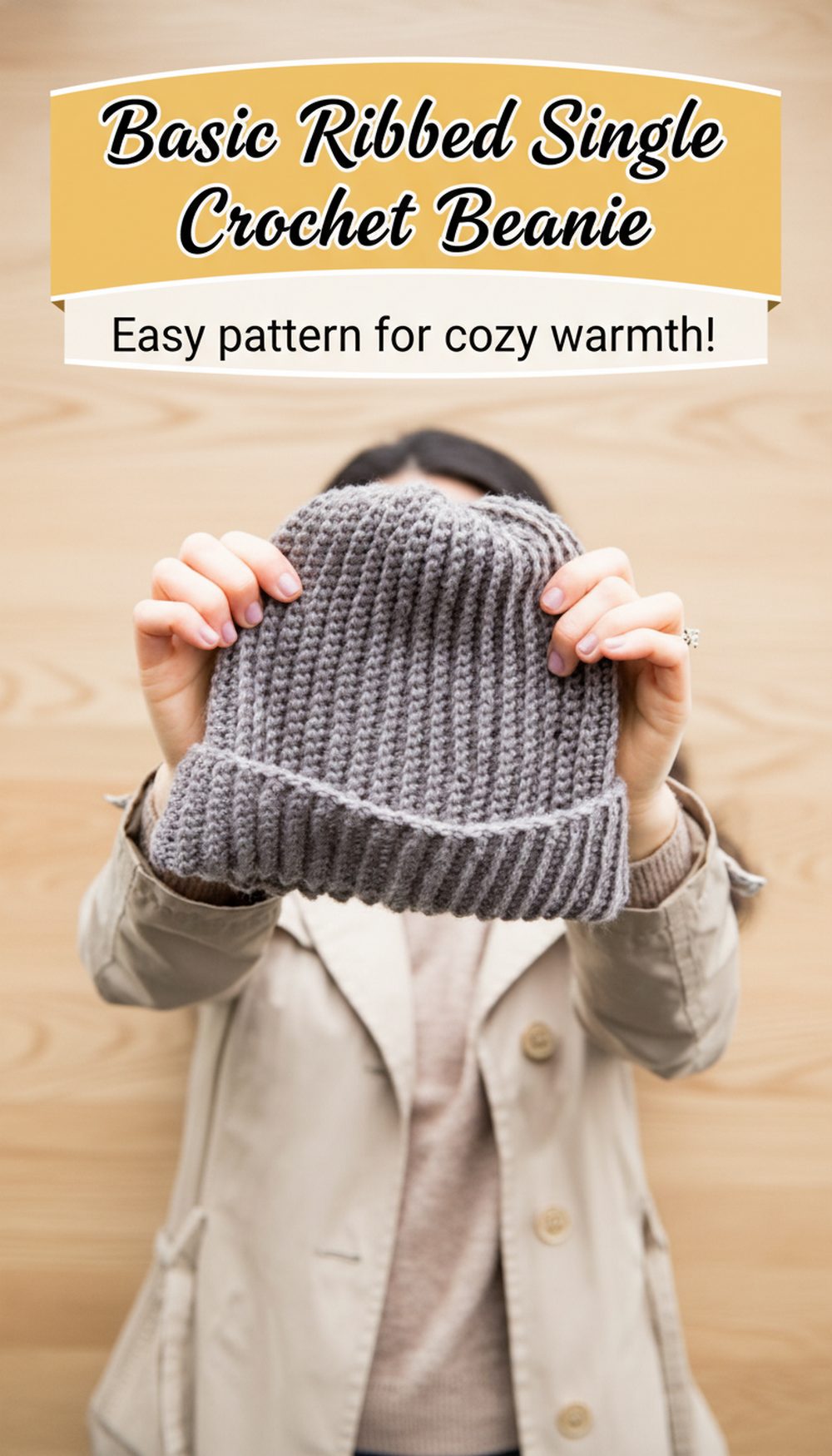
If hats intimidate you, this Delia Creates pattern keeps things simple: crochet a ribbed rectangle in single crochet worked in the back loop only, seam it into a tube, then cinch the top. The result is a stretchy, knit-look beanie that fits most adults. She uses DK yarn like Knit Picks Swish in “Squirrel Heather,” giving a soft neutral you can wear with anything. You’ll learn seaming, measuring for fit, and shaping without decreases—perfect stepping stone before more complex hats. Tutorial
Supplies:
- DK/light weight yarn (Swish Superwash Merino “Squirrel Heather”)
- 5.0 mm crochet hook
- Yarn needle
- Scissors
Why it’s great: You practice consistent rows and back-loop stitching while making a genuinely wearable, stretchy hat.
25-Minute Chunky Earwarmer Headband
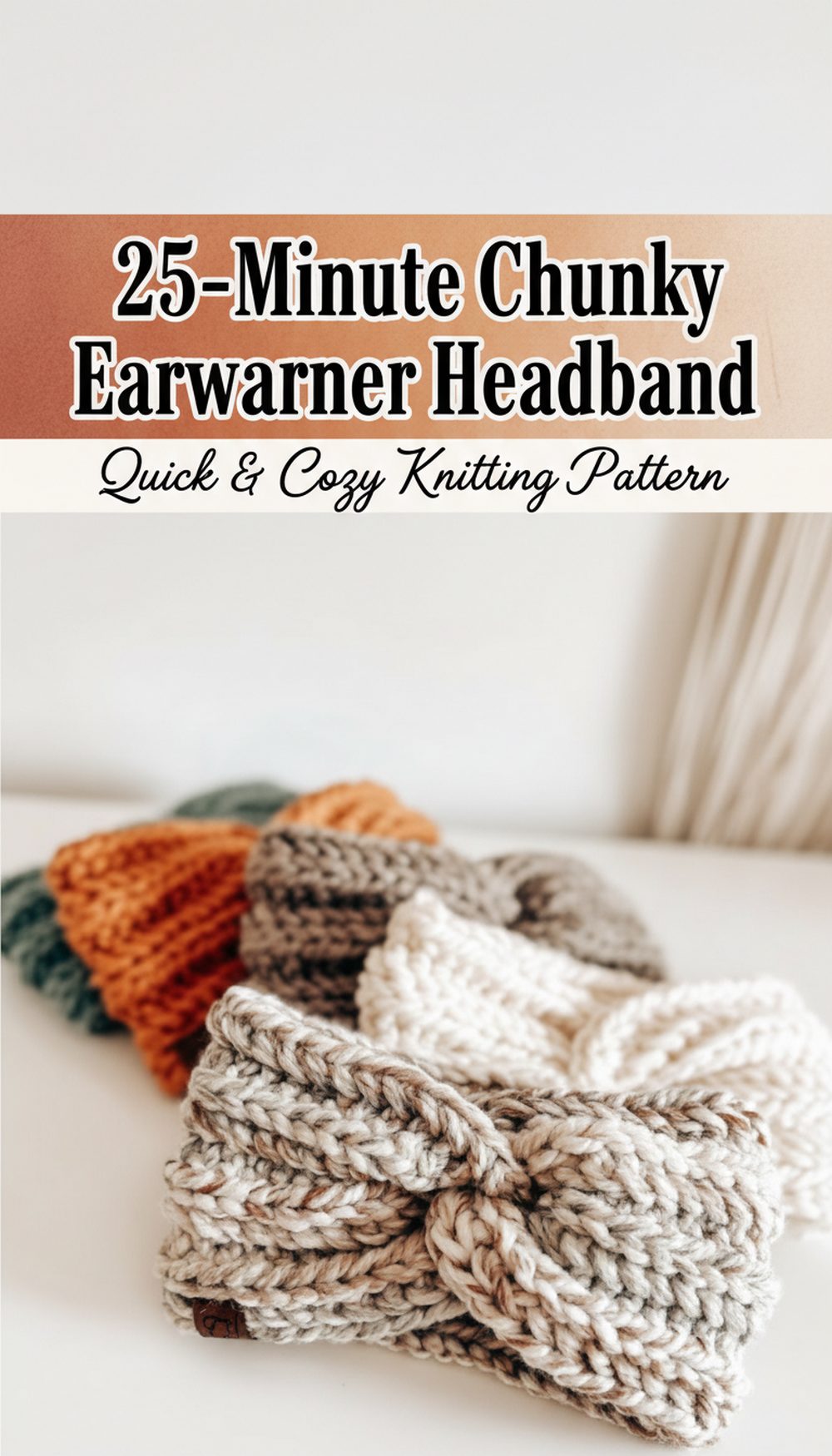
Short on time but want a quick win? The Paine headband from CJ Design is made with super bulky yarn and herringbone single crochet, so it works up in about 25 minutes once you get going. Using Lion Brand Wool-Ease Thick & Quick in the color “Hydro,” you’ll get a squishy, deep teal earwarmer that’s warm but not fussy. The project is essentially a small rectangle sewn into a twist, making it beginner-friendly while looking very “market table” ready. Tutorial
Supplies:
- Super bulky yarn (Wool-Ease Thick & Quick “Hydro”)
- 10 mm crochet hook
- Tapestry needle
- Scissors
Why it’s great: A super fast, stylish make that teaches you a textured stitch and simple seaming in mini form.
Sturdy Single Crochet Storage Basket
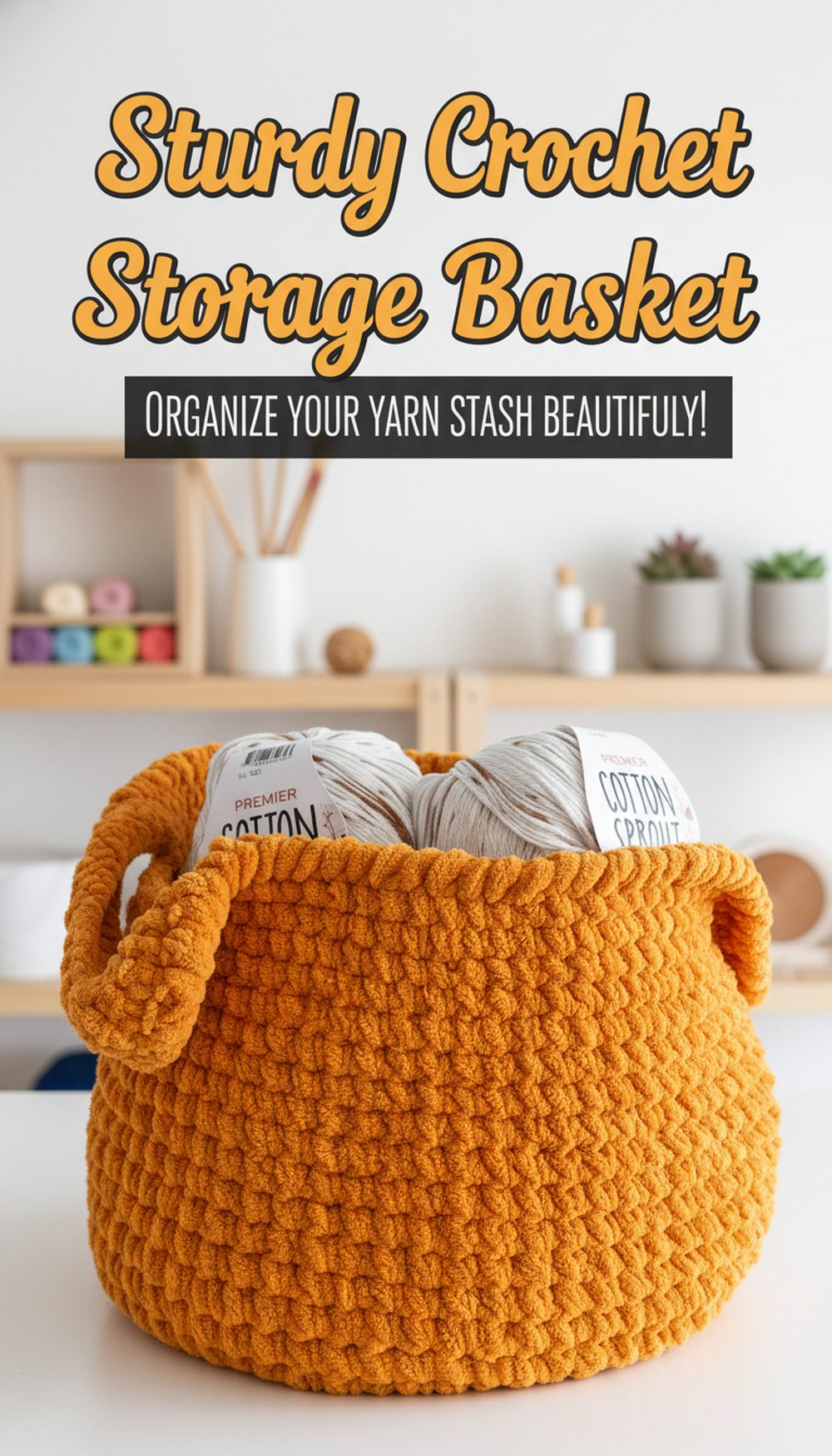
Crochet baskets are an ideal way to learn tight tension and shaping while making something that organizes your yarn, toiletries, or desk bits. Sigoni Macaroni’s easy single crochet basket uses super bulky yarn and a simple base-then-sides construction, so it’s essentially just a circle that grows into a tub. You’ll practice increases, working in rounds, and keeping sides straight. The finished basket is sturdy enough to stand on its own, especially if you match her yarn and hook recommendations. Tutorial
Supplies:
- Super bulky yarn (cotton or cotton blend rope-style yarn)
- 9–10 mm crochet hook
- Stitch marker
- Yarn needle
- Scissors
Why it’s great: Teaches shaping and structure, and you end up with a practical organizer instead of another swatch.
Simple Textured Crochet Pillow Cover
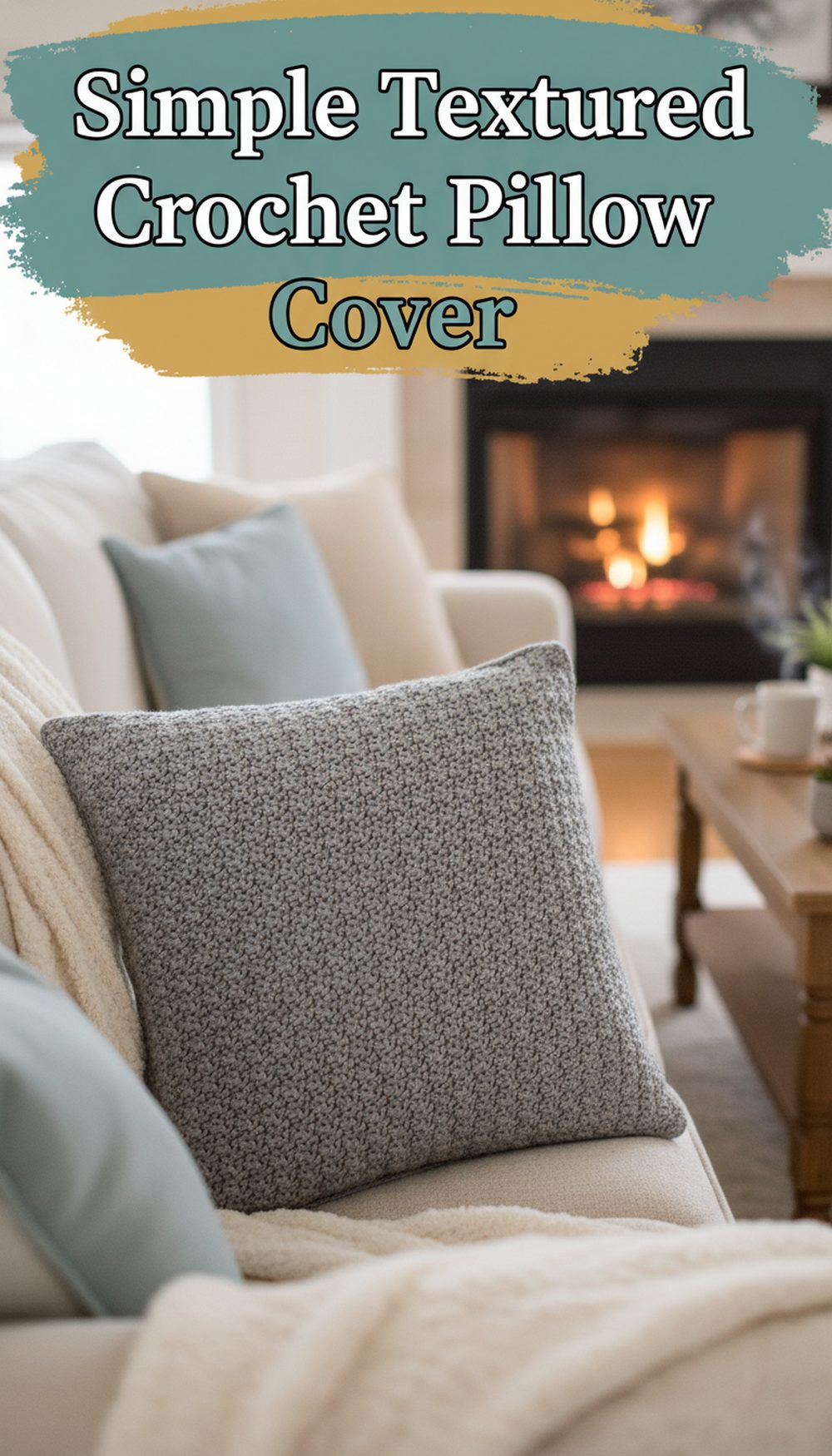
This beginner pillow from Jo to the World is just two identical textured rectangles single- and double-crocheted, then joined around a pillow insert. The stitch pattern is easy to memorize but looks impressively woven, especially in a soft neutral like Impeccable by Loops & Threads in “Pale Grey.” You’ll learn gauge, measuring to fit a form, and working panels to a specific size. Finish by single crocheting around both layers, stuff or add an insert, and you’ve got instant sofa upgrade. Tutorial
Supplies:
- Worsted weight acrylic yarn (Impeccable “Pale Grey,” ~600 yds)
- 5.0 mm crochet hook (H/8)
- 16″ x 16″ pillow insert or stuffing
- Yarn needle
- Scissors
- Measuring tape
Why it’s great: Bridges the gap from small projects to full home decor without complicated shaping.
Mesh Cotton Market Bag
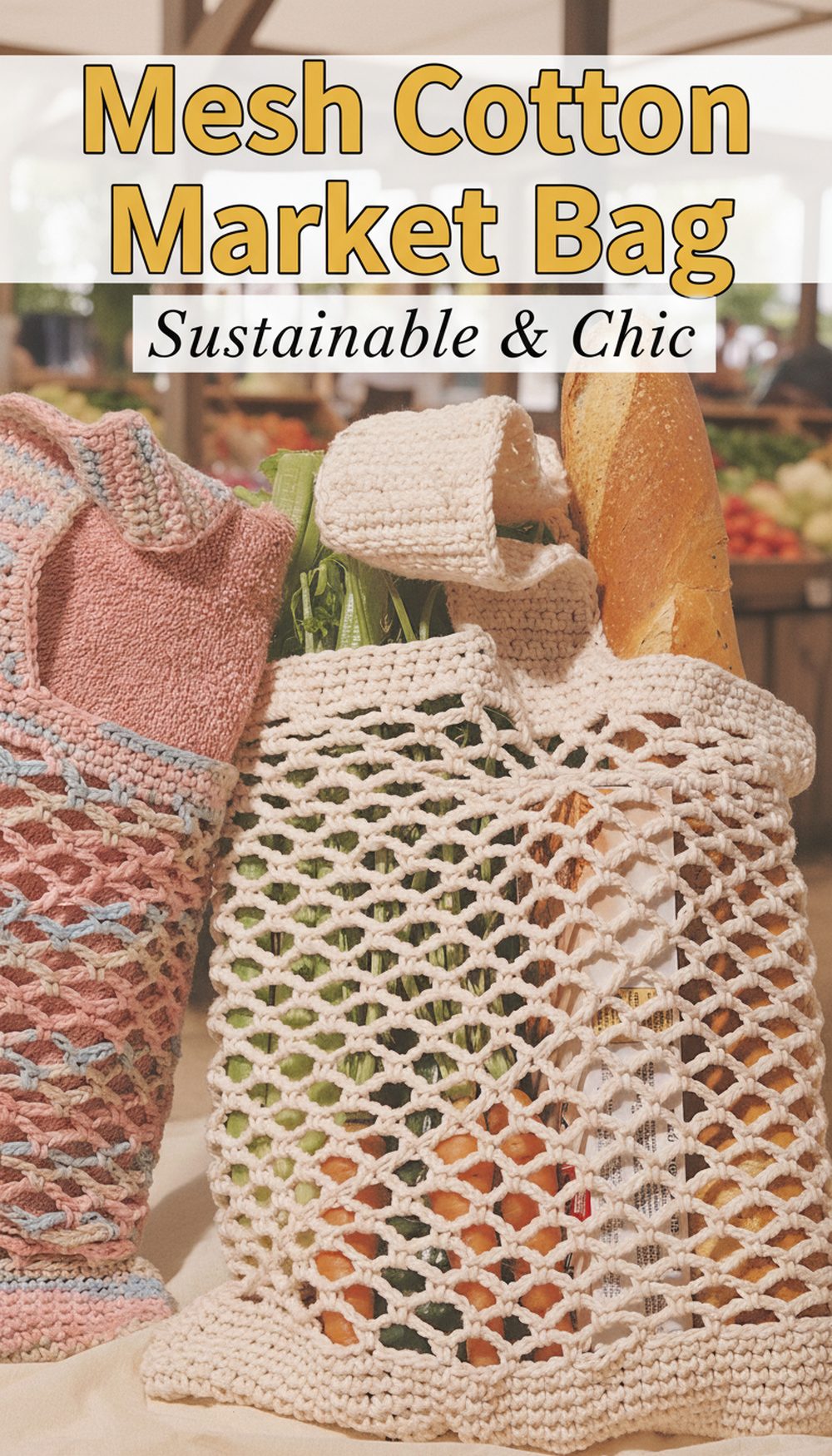
Market bags are surprisingly beginner-friendly: once you get past the solid base, it’s just easy mesh repeats. This free Lily Sugar’n Cream market bag pattern from Yarnspirations uses sturdy cotton that can handle groceries or beach gear. You’ll work a small circle, transition to openwork mesh, then finish with comfortable handles. Adjusting length is as simple as adding or removing mesh rounds. It’s a fantastic way to practice double crochet, chains, and gauge without worrying about super precise fit. Tutorial
Supplies:
- Worsted weight cotton yarn (Lily Sugar’n Cream, ~2 balls in a bright solid like turquoise)
- 5.0 mm crochet hook
- Yarn needle
- Scissors
Why it’s great: Teaches you to combine solid and mesh sections while making a reusable bag you’ll take everywhere.
Shiny Caron Simply Soft Scrunchies
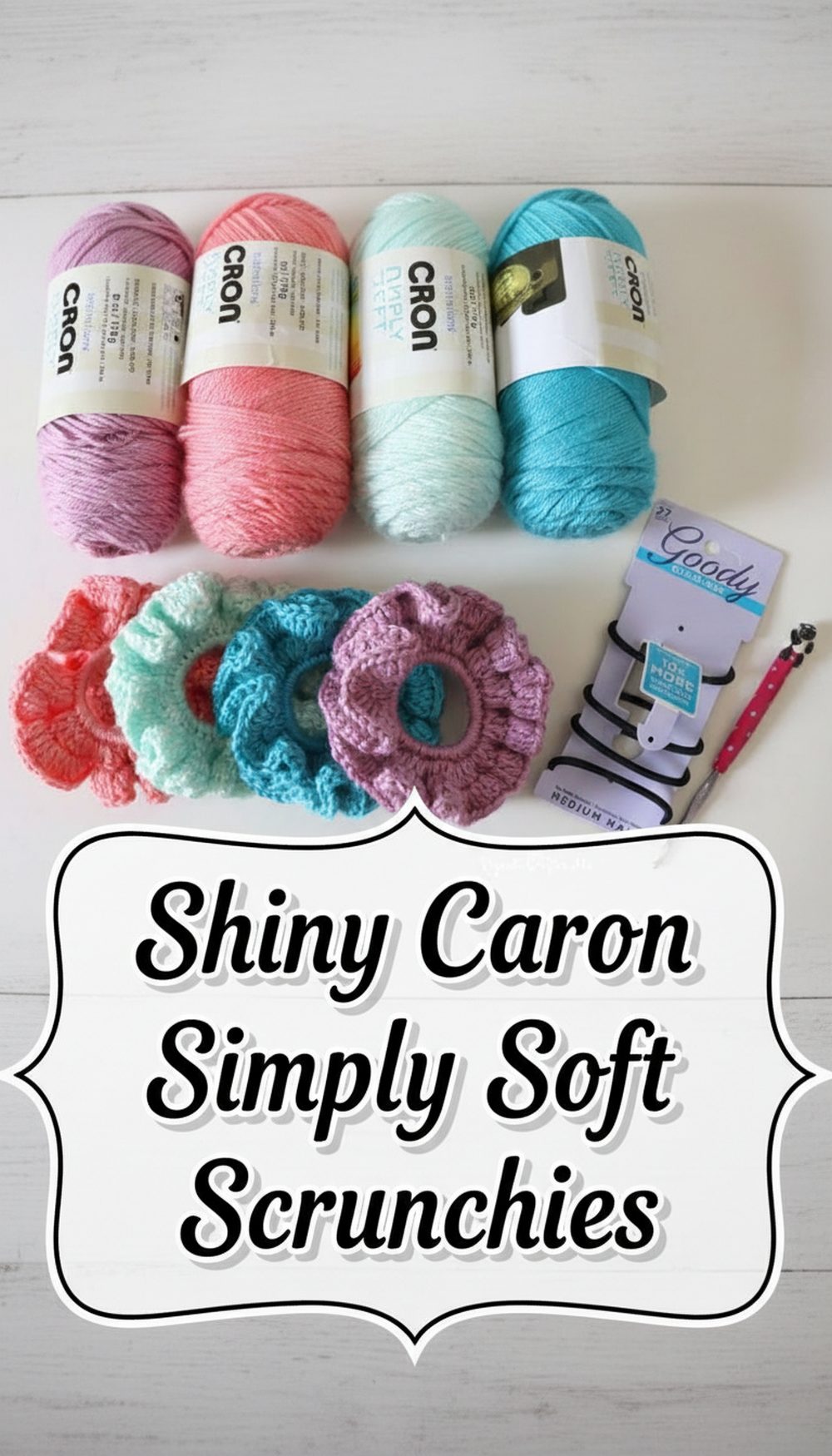
Scrunchies are tiny but addictive, and this Repeat Crafter Me pattern uses Caron Simply Soft for a silky, gentle-on-hair finish. You’ll crochet around an elastic hair tie, then work increasing rounds of double crochet to build up ruffly fullness. Sarah’s examples use Blackberry (purple), Strawberry, Soft Green, and Blue Mint, giving you a fun pastel-plus-brights set that’s perfect for gifting or selling. It’s ideal for practicing working around an object and managing lots of stitches in the round. Tutorial
Supplies:
- Worsted weight acrylic yarn (Caron Simply Soft in Blackberry, Strawberry, Soft Green, Blue Mint)
- 3.75–4.0 mm crochet hook (F/G)
- Elastic hair ties
- Tapestry needle
- Scissors
Why it’s great: Ultra-fast project that builds confidence with rounds, increases, and tension while producing something trendy and useful.
Crescent Lace Cotton Bookmark
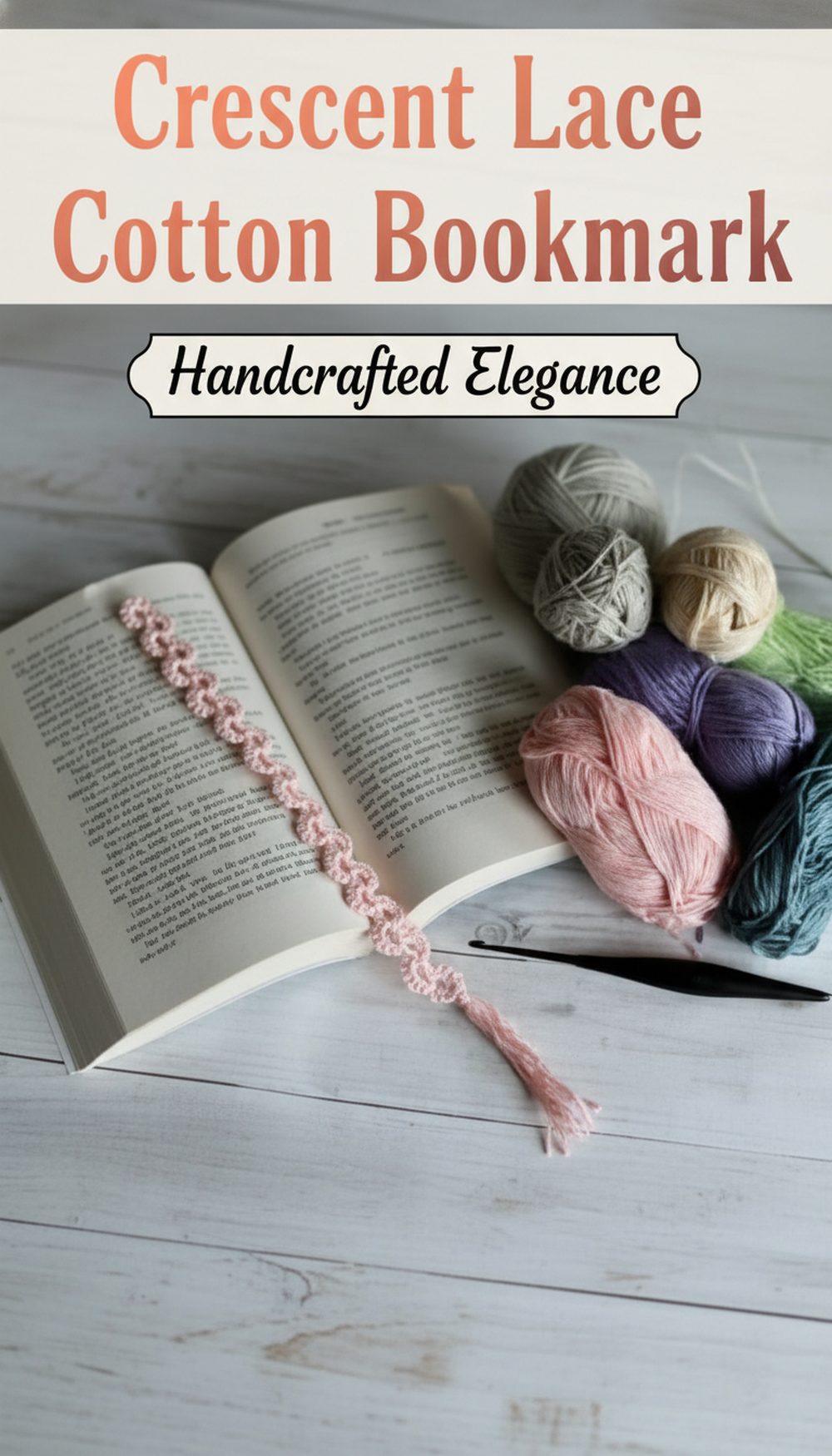
If you’d like something delicate but still approachable, the Crescent Bookmark from Rich Textures Crochet is a great first lace project. You’ll use light weight cotton (Patons Grace) and a 3.75 mm hook to work repeating shells along a simple spine, finishing with an optional tassel. The pattern is easy to lengthen or shorten, making it perfect for customizing to favorite books. This teaches you gentle thread-style tension without jumping straight to tiny hooks or complicated charts. Tutorial
Supplies:
- Light weight (3) cotton yarn (Patons Grace, ~20 yards, in cream or pastel)
- 3.75 mm crochet hook (F/5)
- Yarn needle
- Scissors
Why it’s great: Introduces lace techniques on a skinny, quick project that looks far more advanced than it is.
V-Stitch Plant Pot Cozy
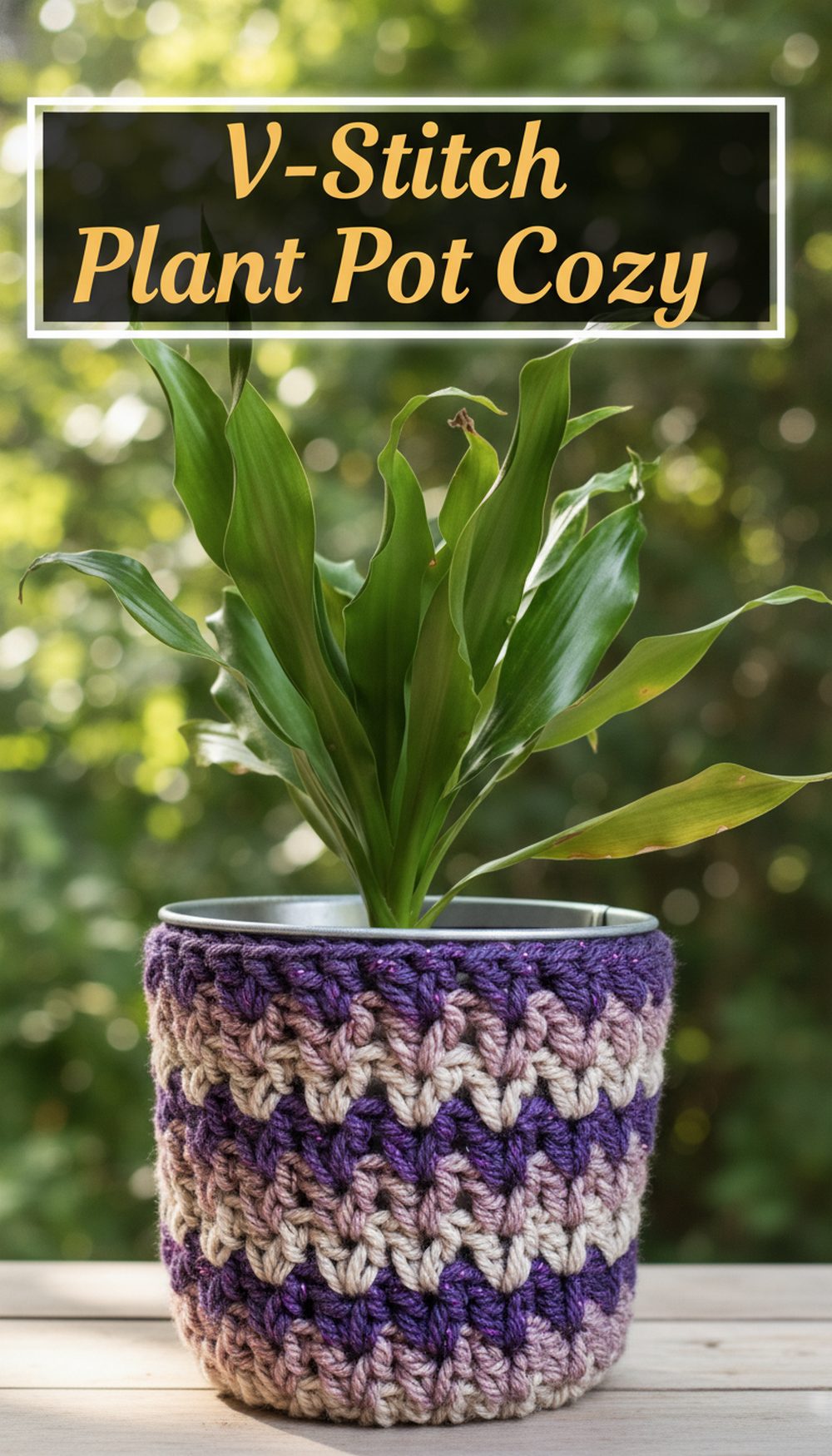
Dress up a plain plant pot with this fun V-stitch cozy from Sweet Bee Crochet. It fits a pot around 5″ wide and uses three shades of Mary Maxim Glimmer: Dark Purple, Mushroom, and Lavender, so you get a soft stripe effect with a hint of sparkle. Worked in the round with simple V-stitches, it’s a quick way to practice consistent tension and color changes. Pop it over a small potted plant and you’ve got a charming handmade gift for teachers or friends. Tutorial
Supplies:
- Aran weight acrylic yarn with shimmer (Mary Maxim Glimmer: Dark Purple, Mushroom, Lavender)
- 5.0 mm crochet hook
- Yarn needle
- Scissors
- Measuring tape
Why it’s great: Easy rounds and color blocks give you practice with stitch patterns and striping on a small, decorative project.
No-Sew Tiny Whale Amigurumi
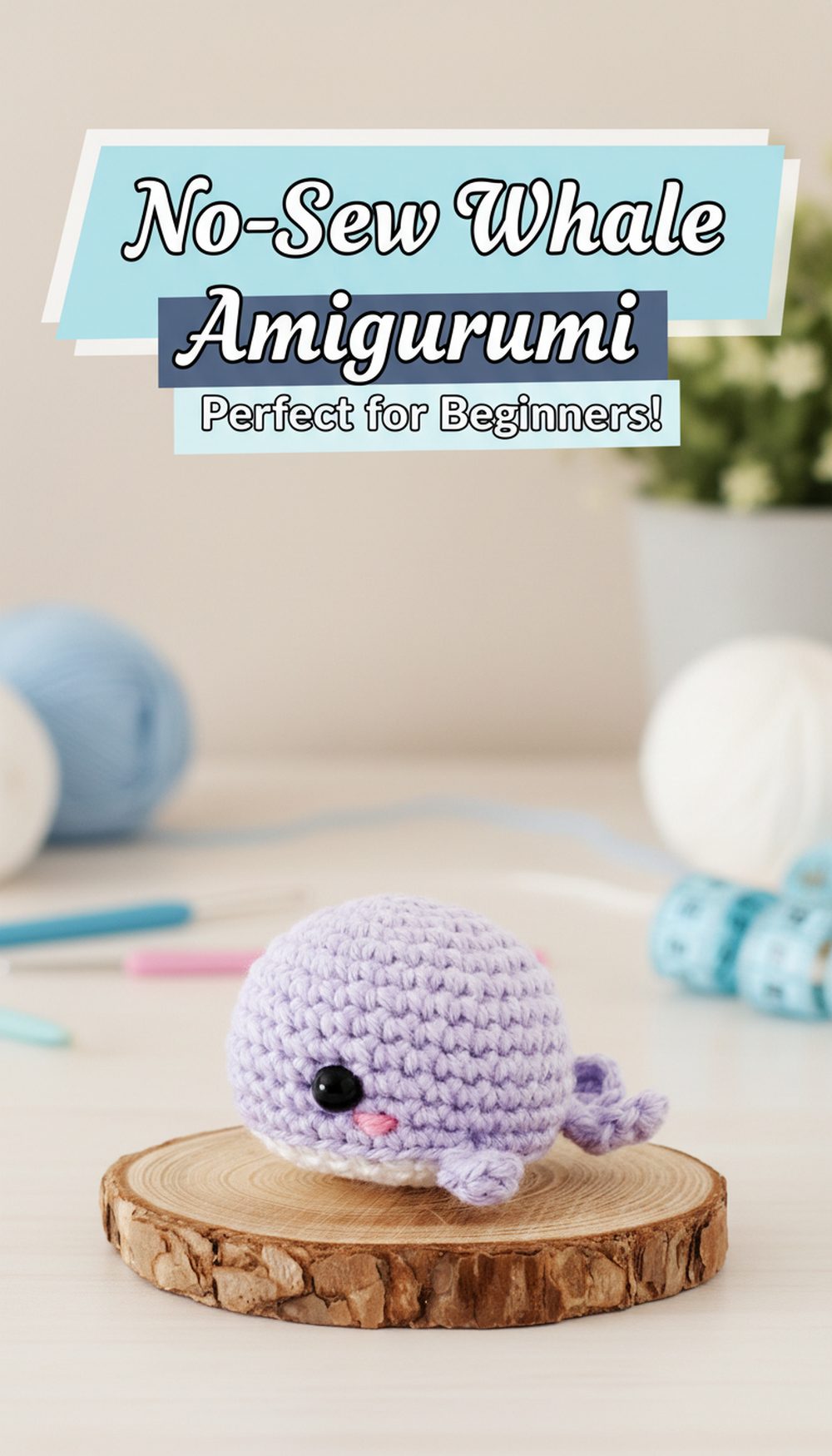
When you’re ready to try amigurumi, Stitch by Fay’s no-sew whale is a gentle first toy. The body and tail are worked in one piece, so you only have to sew on tiny fins if you choose—less seaming, more fun. The pattern uses light blue yarn for the body, a white belly, and simple safety eyes, plus a little blush. It’s mostly single crochet in the round with easy increases and decreases, ideal for learning shaping on a fast, palm-sized project. Tutorial
Supplies:
- DK or worsted weight yarn (light blue for body, white for belly)
- 3.0–3.5 mm crochet hook
- Polyester stuffing
- 6–8 mm safety eyes
- Yarn needle and scissors
Why it’s great: A very small, cute amigurumi that teaches shaping without overwhelming you with pieces to sew.
First Granny Square Motif
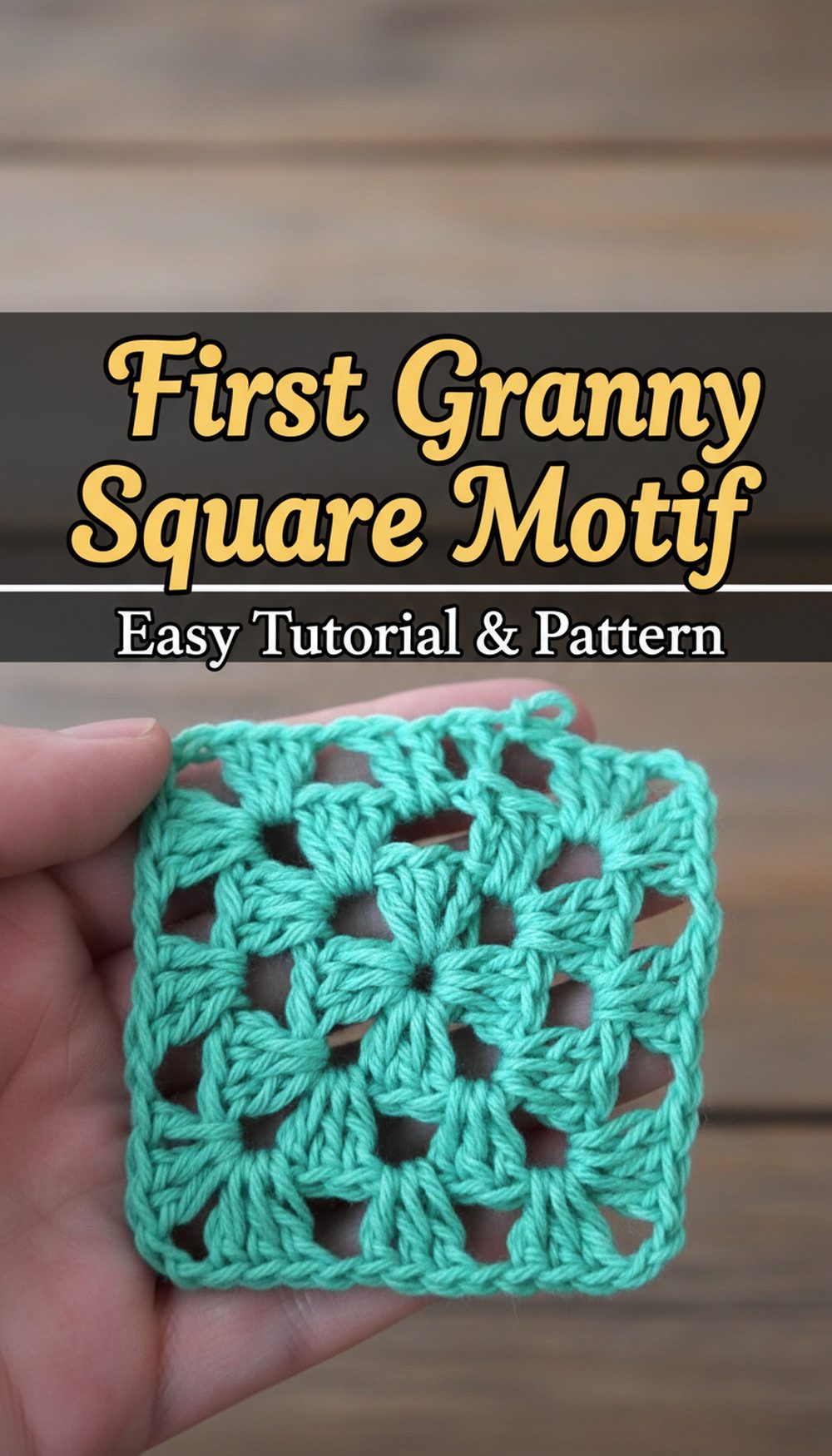
Granny squares look fancy but are just clusters of double crochet and chain spaces repeated in rounds. The Haak Maar Raak step-by-step tutorial breaks everything into photos and a written pattern, ideal if you like to see exactly where your hook goes. Start with one solid-color square in smooth cotton yarn so your stitches are easy to read. Once the basics click, you can add color changes and join motifs for blankets, bags, or pillows. This is a foundational skill you’ll reuse forever. Tutorial
Supplies:
- Sport or DK cotton yarn (Scheepjes Catona recommended)
- 3.5 mm crochet hook
- Stitch marker (optional)
- Yarn needle
- Scissors
Why it’s great: Teaches you clusters, corners, and working in joined rounds—the building blocks of countless crochet projects.
Conclusion
If you’re new to crochet, you don’t need complicated patterns to create things you’re proud of. Start with one small project from this list—maybe a washcloth, coaster, or bookmark—then gradually move into hats, bags, and blankets as your hands relax. Each make will sharpen your stitch memory and tension. Bookmark this collection, come back whenever you’re ready for the next step, and enjoy watching your skills (and handmade goodies) grow.
FAQs
1. What yarns are best for home items like washcloths and coasters?
For kitchen and bath pieces, 100% cotton or high-cotton blends are ideal. They’re absorbent, withstand frequent washing, and tolerate a bit of heat. Look for worsted weight cotton for washcloths, towels, and coasters, and consider sturdier rope or t-shirt yarns for baskets and plant cozies.
2. Should I machine wash or hand wash my crochet, and how do I dry it?
Always check the yarn label. Most cotton and many acrylics can be machine washed on a gentle cycle. To avoid stretching, lay items flat to dry, especially baskets, pillows, and garments. For small home pieces like dishcloths, you can usually tumble dry on low, but reshape slightly while damp to keep edges neat.
3. How can I scale a pattern up or down in size?
For rectangles (scarves, pillows, mats), add or subtract starting chains in the pattern’s multiple (often noted as “multiple of X + Y”). For round items like baskets or coasters, increase or decrease the number of rounds. Always measure as you go—lay the piece against the item it’s meant to fit, like a pillow insert or pot, and stop when it matches.
4. What fibers are safest for kitchen and bath, or near heat?
Use cotton or cotton blends around hot dishes, trivets, and pot holders, and for anything regularly getting wet. Avoid acrylic near high heat, as it can melt rather than scorch. For items that may touch very hot cookware, use thick cotton, wool, or specific heat-resistant yarns, and work dense stitches with multiple layers.
5. How do I make joins and edgings sturdy for daily use?
For blankets, pillows, and bags, a single crochet join worked through both layers adds strength. Borders in single crochet or slip stitch help edges resist stretching. Weave in ends for at least 5–6 cm (2–3″) in multiple directions, and, if possible, bury them within seams or border rows for extra security.
6. How much yarn and time do I need for baskets, pillows, and mats?
Approximate ranges: small baskets often use 60–150 yards of bulky yarn and take 1–3 hours. A simple 16″ pillow cover in worsted yarn may use 500–700 yards and a few evenings of work. Placemats and small mats vary widely, but expect 150–300 yards each. Heavier yarns and bigger hooks mean faster progress and fewer yards needed.
7. Any tips for photographing my crochet projects nicely?
Use natural light from a window, turn off harsh overhead lights, and shoot on neutral backgrounds like wood, plain bedding, or a simple table. Get close enough to show stitch texture and take a few angled shots. Including a book, mug, or plant helps show scale and how the item is used in real life.
8. How do I fix curling, stretching, or wavy edges?
Curling often comes from tight edges or mismatched hook size—try going up a hook and keeping turning chains loose. Wavy edges usually mean too many stitches; recount against the pattern. Lightly blocking (dampening and pinning to shape) helps flatten and neaten many projects. For stretched-out baskets or bags, add a tighter border row or reinforce the top with a round of slip stitches.